World · World News Bureau
Global public skeptical of UN's ability to prevent conflict, survey finds
As the United Nations prepares for its 2026 General Assembly, citizens in conflict-affected regions express doubt about the organization's capacity to resolve ongoing wars and prevent new ones.
LSN World News ·
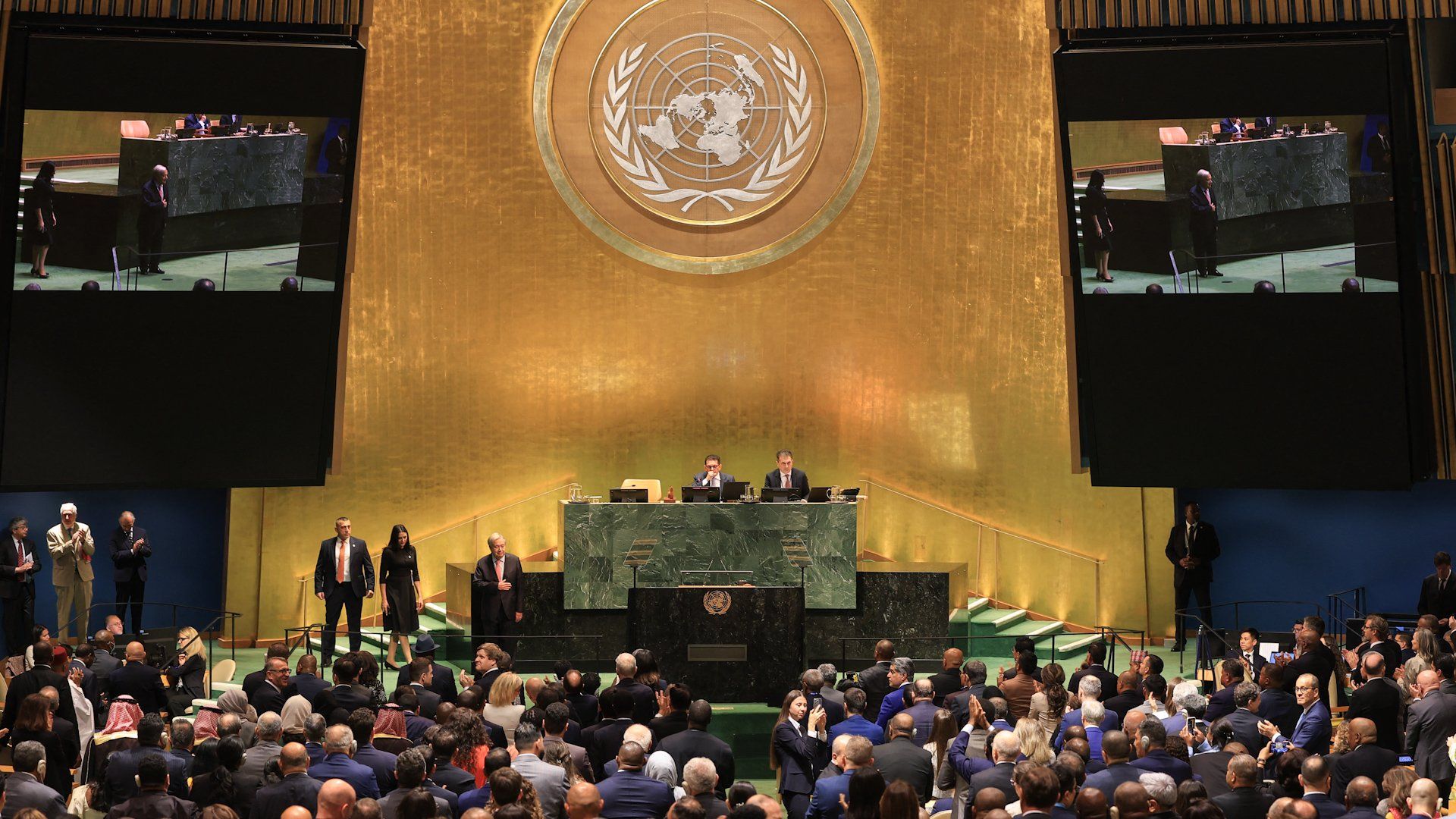
Residents across multiple conflict zones have voiced concerns about the effectiveness of the United Nations in preventing and resolving armed conflicts, raising questions about the institution's relevance ahead of the 2026 General Assembly session.
People interviewed in Bangladesh, Gaza, and Nigeria—regions marked by ongoing violence and humanitarian crises—expressed limited confidence in the UN's ability to broker lasting peace or intervene decisively in conflicts affecting their communities. The responses suggest a disconnect between the organization's stated mission and public perception of its practical impact on the ground.
The skepticism reflects decades of high-profile UN failures to prevent or stop major conflicts, from the Syrian civil war to the Rwanda genocide. While the Security Council remains the UN's primary mechanism for maintaining international peace and security, its effectiveness is often hampered by geopolitical tensions and the veto power held by permanent members.
The 2026 General Assembly will likely face pressure to address these concerns and explore reforms that could enhance the organization's conflict prevention capabilities. However, meaningful change would require cooperation among member states with divergent interests, a challenge that has eluded the institution throughout its history.
The public's reservations underscore a broader global anxiety about international mechanisms for peace in an era marked by renewed great-power competition, proxy conflicts, and humanitarian emergencies.