World · Malaysia Bureau
Global student performance shows mixed results in latest Pisa assessment
New Pisa test results reveal gains in science and reading scores among 15-year-olds worldwide, though mathematics performance has declined. The triennial assessment measures how well students acquire essential knowledge and skills for full participation in society.
LSN Malaysia ·
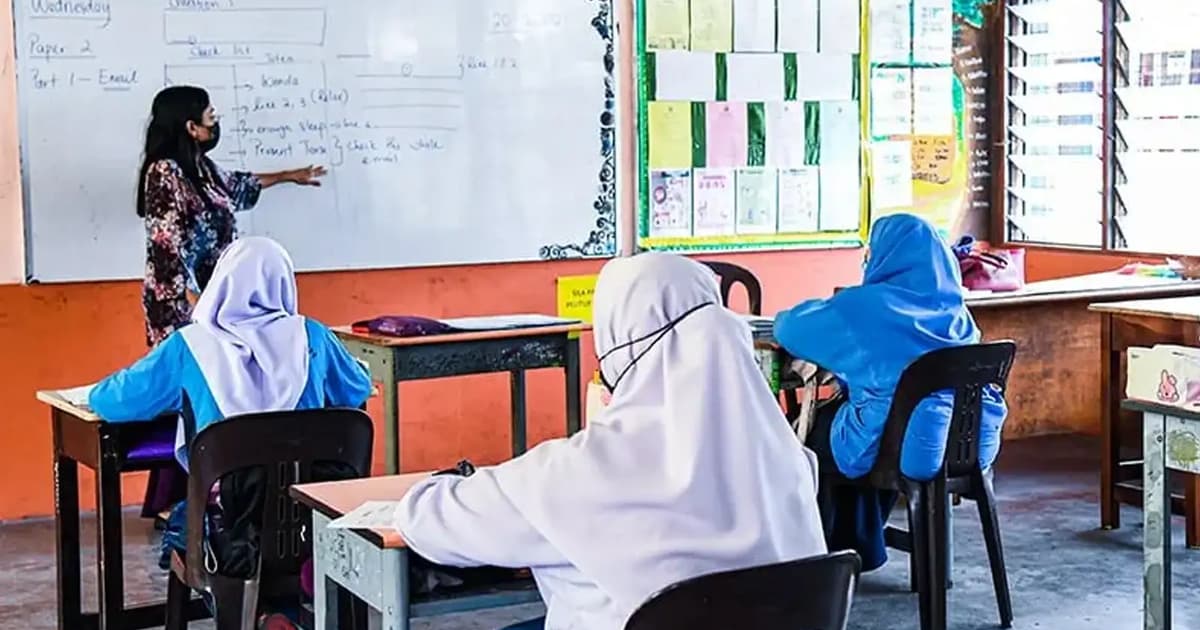
The latest Pisa results demonstrate an uneven performance trajectory across core academic disciplines among 15-year-old students globally. While improvements in science and reading competencies offer encouraging signs for educational outcomes, the decline in mathematics proficiency raises concerns about a critical skill area essential for future workforce readiness.
Pisa, the Programme for International Student Assessment, conducts its comprehensive survey every three years to evaluate how well students have acquired the knowledge and practical abilities needed to thrive in modern societies. The assessment focuses on core competencies that extend beyond traditional classroom instruction to encompass problem-solving and real-world application skills.
The divergence in results across subject areas suggests varying effectiveness in curriculum implementation and teaching methodologies worldwide. Education policymakers and administrators will likely scrutinize the mathematics decline to identify underlying causes, whether stemming from teaching approaches, resource allocation, or pandemic-related disruptions to learning.
For regional education systems, the mixed findings underscore the importance of maintaining balanced attention across all core disciplines while building on successes in reading and science instruction. The data will likely inform discussions about curriculum review and educational investment priorities in coming months.