Business · India Bureau
Global Trade System Faces Uncertain Future Amid Policy Rifts
The multilateral trading framework that has underpinned international commerce for eight decades confronts mounting challenges as geopolitical tensions deepen divisions among major economies. Efforts to reinvigorate the system face headwinds from conflicting national trade strategies and shifting strategic alignments.
LSN India ·
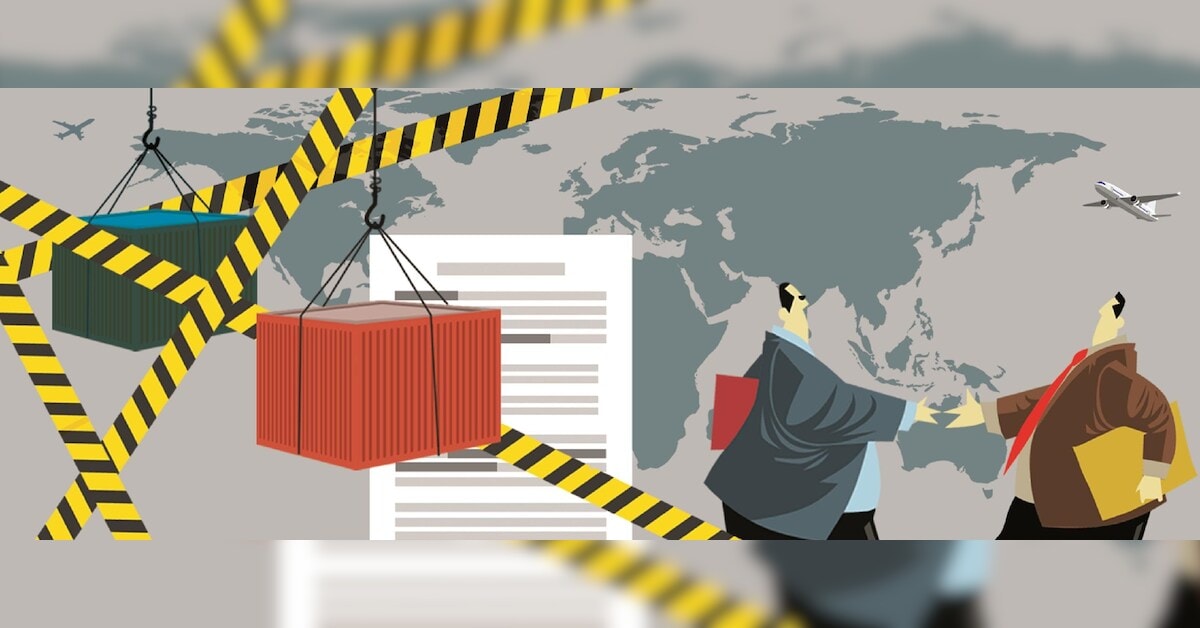
The post-World War II multilateral trade architecture, which established rules for global commerce and facilitated decades of economic integration, is encountering its most significant period of strain in recent years. Policymakers across major trading nations are increasingly pursuing divergent approaches to tariffs, supply chains, and bilateral arrangements, fragmenting the unified framework that once commanded broad consensus.
Geopolitical realignments and emerging security concerns have prompted countries to prioritize strategic autonomy over free trade principles. Nations are reassessing dependencies, reshoring critical industries, and forming competing trade blocs, undermining the universal principles that anchored the system for the past eight decades.
Efforts to modernize and strengthen multilateral trade institutions have stalled amid these competing interests. The lack of agreement on fundamental issues—from digital commerce regulations to agricultural subsidies—reflects deeper divisions about the purpose and direction of global commerce in an era of great power competition.
Observers caution that without concerted efforts to address underlying tensions, the erosion of multilateral trade mechanisms could accelerate, with significant implications for developing economies dependent on predictable international commerce. India, as a major trading nation, faces the challenge of navigating these shifting dynamics while protecting domestic interests.