World · India Bureau
Global wildlife populations plummet 73% since 1970, India's big cats buck trend
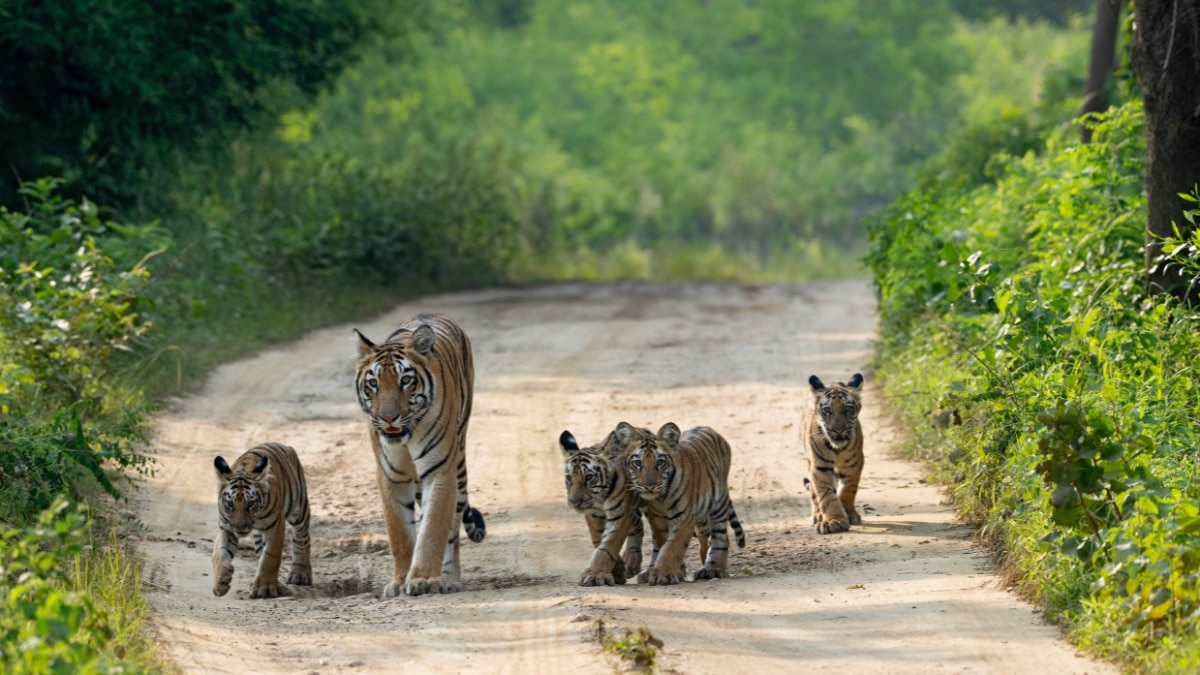
While the world grapples with a catastrophic decline in wildlife populations over the past five decades, India's conservation efforts have enabled its iconic big cat species to reverse the downward spiral. The contrast highlights the potential for targeted environmental action even as biodiversity losses accelerate globally.
LSN India ·
A comprehensive assessment of global wildlife populations reveals a stark 73 percent decline since 1970, underscoring an unprecedented biodiversity crisis driven by habitat destruction, climate change, and overexploitation of natural resources. The dramatic collapse represents a significant acceleration in species loss across ecosystems worldwide, with vertebrate populations bearing particularly severe impacts.
India emerges as a notable exception to this grim global narrative, with the nation's big cat populations—including tigers, leopards, and lions—demonstrating remarkable recovery in recent years. Conservation initiatives focused on habitat protection, anti-poaching efforts, and wildlife corridor development have enabled these apex predators to increase in numbers, reversing decades of decline that brought several species to the brink of extinction.
India's success with big cats reflects the efficacy of dedicated conservation frameworks and enforcement mechanisms. The recovery of tiger populations from fewer than 1,500 individuals in the early 2000s to substantially higher numbers represents one of Asia's most significant wildlife triumphs, demonstrating that biodiversity loss is not inevitable when resources and political will align.
Experts attribute India's achievements to rigorous protection of tiger reserves, community engagement in conservation efforts, and international collaboration on species management. However, analysts caution that sustained commitment to environmental stewardship remains essential, as pressures from human-wildlife conflict and habitat encroachment continue to threaten long-term conservation gains across the subcontinent.