Politics · India Bureau
Goa's illegal mining investigation stalls despite Supreme Court rulings
A decade-long probe into illegal mining in Goa has made little headway despite Supreme Court orders declaring all extraction after November 2007 unlawful. Investigators cite insufficient evidence and procedural delays in the high-profile case.
LSN India ·
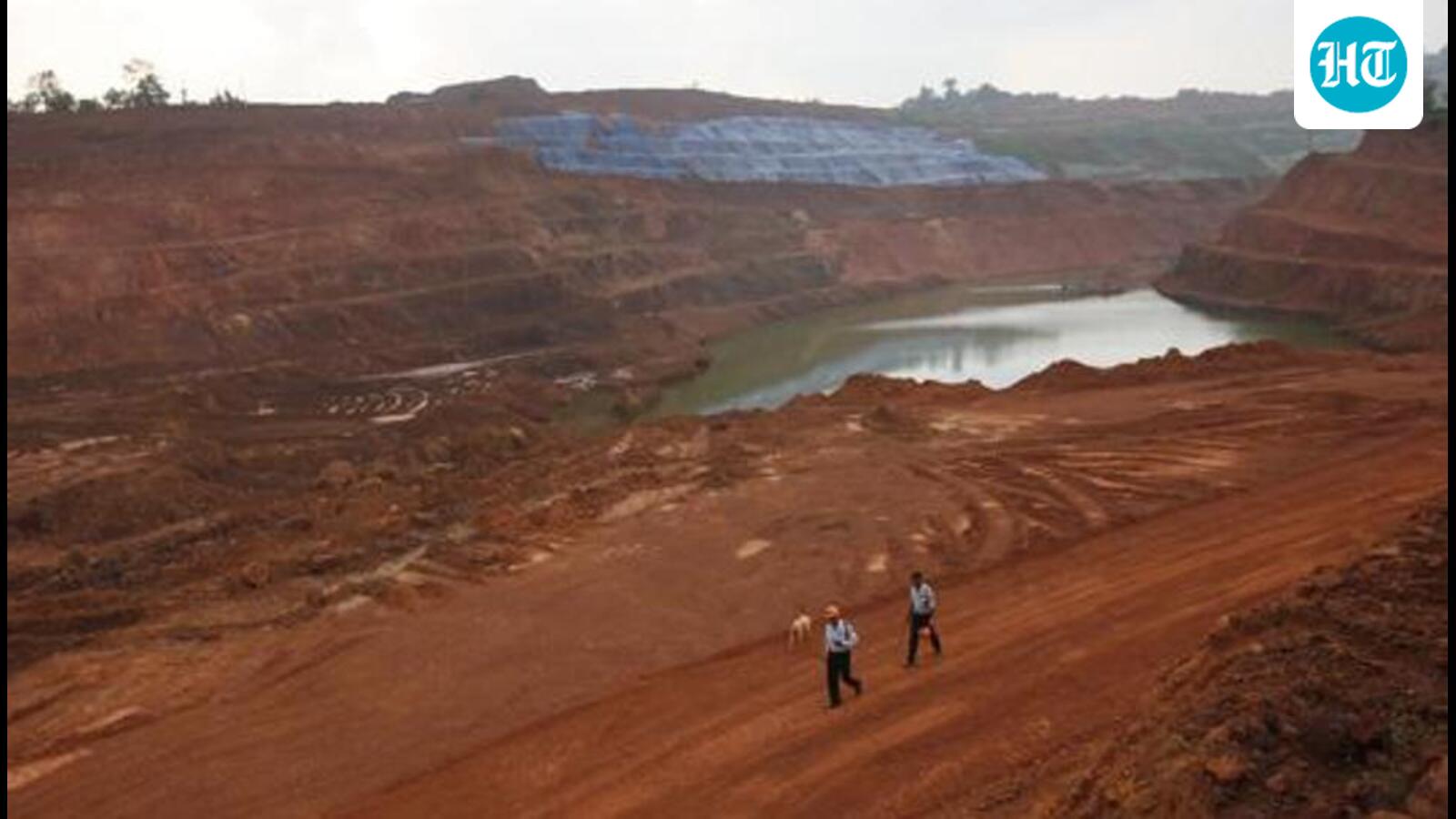
Goa's investigation into illegal mining operations has remained largely stalled despite clear judicial directives, with authorities struggling to move cases forward due to evidentiary gaps and administrative bottlenecks. The Supreme Court established in 2014, and reinforced in 2018, that all mining activities conducted after November 22, 2007, were illegal, setting a definitive legal framework for prosecution.
However, investigators have encountered persistent obstacles in building actionable cases against alleged violators. Insufficient evidence has emerged as a primary stumbling block, hampering efforts to establish culpability and proceed with formal charges. The combination of weak documentation, witness unavailability, and complex paper trails has created substantial challenges for law enforcement agencies attempting to prosecute offenders.
Procedural delays have further compounded the investigation's glacial progress. Cases have languished in various stages of review and documentation, with little movement toward resolution or trial. The drawn-out timeline has raised questions about investigative capacity and resource allocation within state authorities tasked with environmental protection and mining regulation.
The stalled probe underscores broader challenges in enforcing environmental regulations across India's mining sector, where illegal extraction continues despite court orders. Goa's experience demonstrates the gap between judicial pronouncements and their practical enforcement on the ground, particularly when investigations depend on evidence gathering in complex commercial operations.