World · India Bureau
Goddess Chhinnamasta: Understanding Hindu Tantrism's Self-Sacrificing Deity
Maa Chhinnamasta holds a unique place in Hindu philosophy as the sixth of the ten Mahavidyas, revered for her unconventional iconography depicting self-sacrifice and spiritual transformation. Her imagery, showing her holding her own severed head while streams of blood flow from her body, carries deep symbolic meaning within Tantric traditions.
LSN India ·
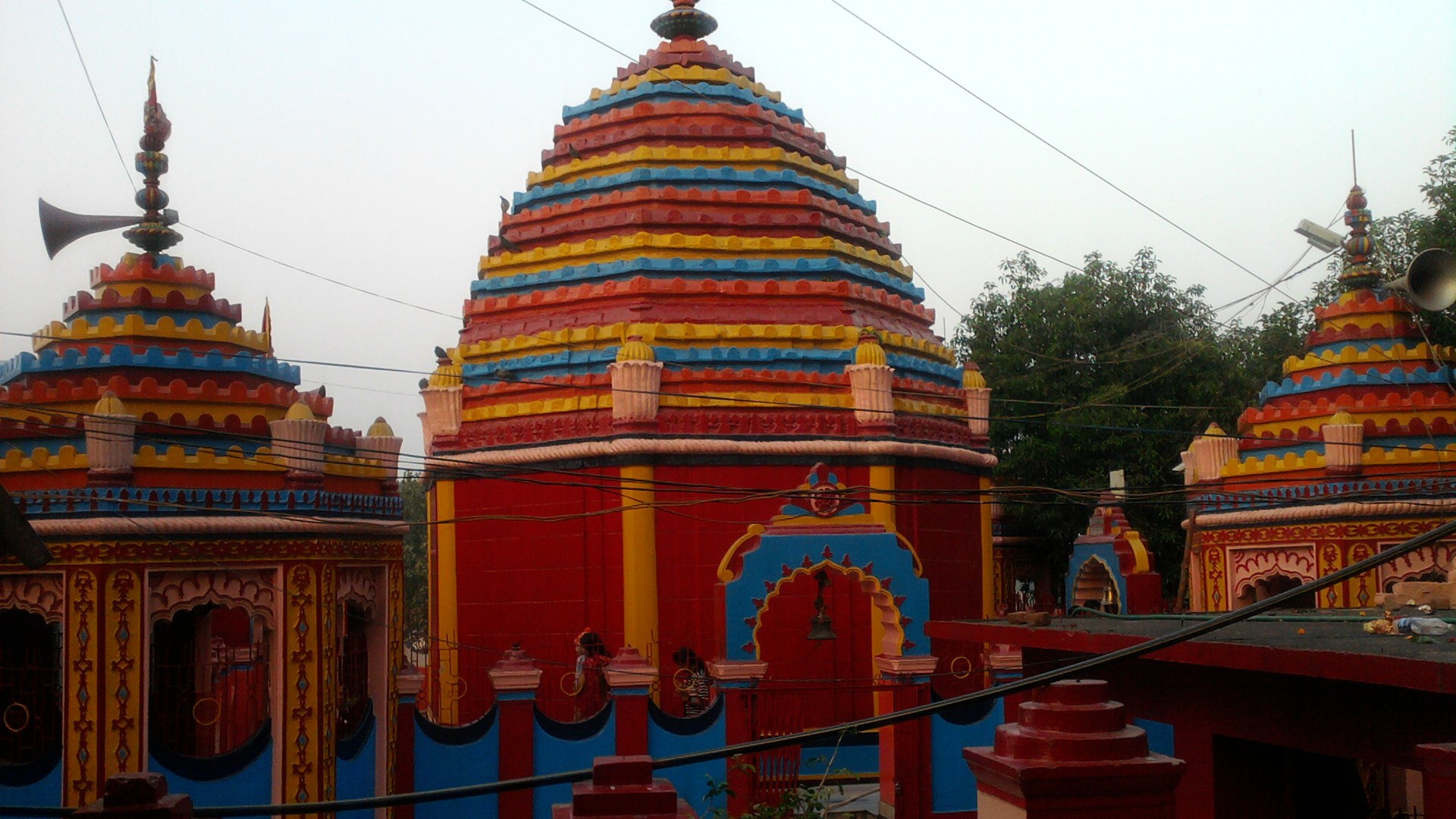
Maa Chhinnamasta, whose name translates to 'the beheaded goddess,' occupies a distinctive position in Hindu spiritual practice as the sixth Mahavidya—one of ten principal forms of the divine feminine in Tantric philosophy. Unlike conventional depictions of Hindu deities, Chhinnamasta is characteristically shown holding her own severed head in her hands, a striking visual representation that has captivated spiritual seekers and scholars for centuries.
According to Hindu mythological texts, the goddess voluntarily severed her own head as an act of supreme sacrifice and spiritual transcendence. Three streams of blood are said to flow from her body—two nourishing her severed head and her companions, while the third represents the flow of cosmic energy. This imagery symbolizes the conquest of ego, the transcendence of physical limitations, and the ultimate truth of non-duality within Tantric philosophy.
Devotees of Maa Chhinnamasta interpret her iconography as a powerful teaching on the nature of consciousness and sacrifice. The self-beheading represents the destruction of ignorance and the surrender of the limited individual self to merge with universal consciousness. Her fearless and unconventional form distinguishes her from other Mahavidyas, embodying both destruction and liberation.
The worship of Chhinnamasta remains particularly significant in Tantric traditions across India, where practitioners view her as a catalyst for spiritual awakening. Temples dedicated to the goddess exist in various regions, with devotees seeking her blessings for overcoming obstacles and achieving spiritual enlightenment through radical transformation and self-realization.
Photo: The Maa Chhinnamasta Temple in Ramgarh, Jharkhand, January 2013. Kuarun via Wikimedia Commons (CC BY-SA 3.0).