World · India Bureau
Goddess Durga's Divine Vehicle Holds Significance for 2026 Navratri
According to Hindu scriptural traditions and astrological interpretations, the celestial vehicle on which Goddess Durga arrives during Navratri carries symbolic importance for the country's fortune, agricultural prospects, and general well-being.
LSN India ·
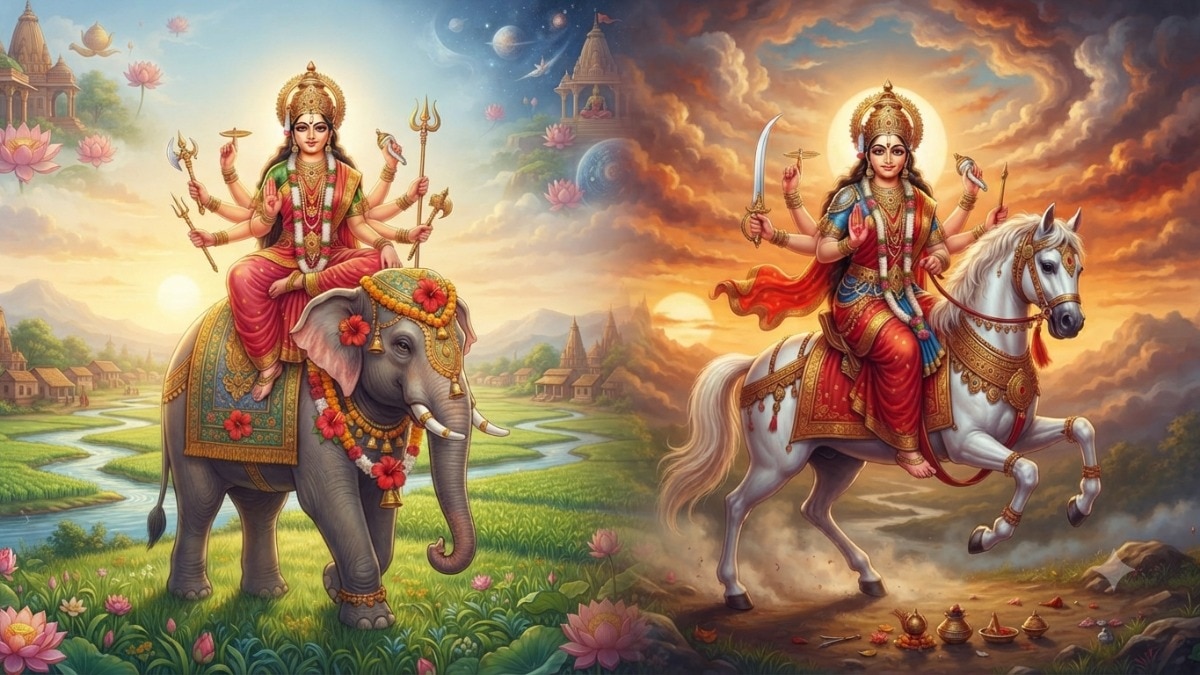
Shardiya Navratri, the nine-day festival dedicated to the worship of Goddess Durga, is considered the most sacred period in the Hindu calendar. Central to this observance is the tradition of understanding the auspicious indicators associated with the goddess's arrival and departure from the earthly realm.
According to the Devi Bhagavata and classical astrological texts, the specific vehicle or 'vahan' on which Goddess Durga travels carries profound significance. Ancient Hindu scholars have long maintained that these celestial modes of transport serve as divine omens, offering insights into the spiritual and material conditions that will prevail during the coming period.
Traditional interpretations suggest that the goddess's chosen conveyance influences various aspects of national and global affairs, including seasonal patterns, agricultural productivity, prosperity, and the overall welfare of the populace. Devotees and scholars have historically analyzed these symbolic journeys to understand potential blessings or challenges the region may face.
The specific vehicle for the 2026 Navratri season carries particular reverence among practitioners of Vedic astrology and those who study Hindu mythological texts. Understanding these traditional indicators remains an integral part of how many communities prepare spiritually and practically for the festival season.