Business · India Bureau
Gold, crypto face headwinds as US rate hike odds climb sharply
Market expectations for near-term US Federal Reserve rate increases have intensified, with traders now pricing in a 58 per cent probability of a hike—up significantly from 45 per cent a month earlier. The shift threatens to undermine recent gains in gold and cryptocurrencies, which typically weaken when borrowing costs rise.
LSN India ·
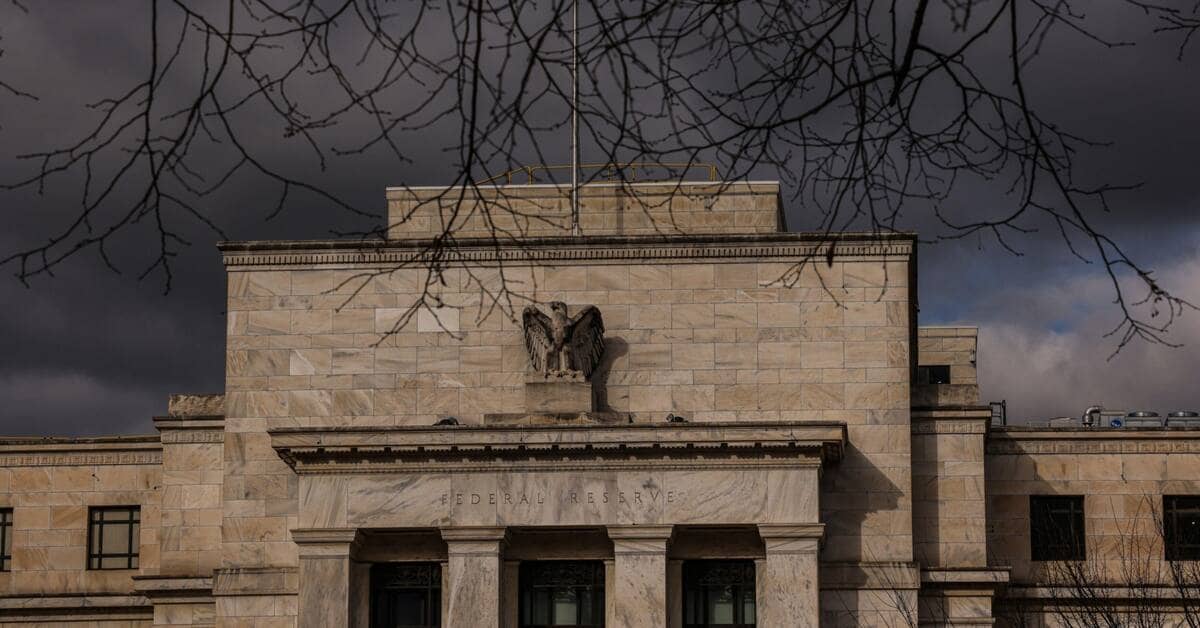
Sentiment in global financial markets has shifted noticeably as expectations for tighter monetary policy from the US Federal Reserve have strengthened. The CME FedWatch tool, which aggregates market pricing on policy decisions, indicates that investors are now assigning a 58 per cent likelihood to an interest rate increase at the next policy meeting. This represents a substantial jump from the 45 per cent probability recorded just one month ago, signalling a pronounced change in market expectations.
The implications for alternative assets remain significant. Gold, traditionally viewed as a hedge against inflation and currency devaluation, typically struggles when real interest rates rise, as higher rates increase the opportunity cost of holding non-yielding assets. Similarly, cryptocurrencies—which offer no cash flows or yields—have historically faced pressure during periods of monetary tightening, as investors shift capital toward interest-bearing instruments.
Both asset classes have staged notable recoveries in recent months, but the accelerating timeline for Fed tightening poses a fresh challenge to sustaining that momentum. Market participants will likely scrutinise incoming economic data closely over the coming weeks, as labour market strength, inflation readings, and growth indicators will all influence the central bank's final decision on policy timing and magnitude.
For Indian investors with exposure to gold and digital assets, the changing interest rate environment underscores the importance of monitoring global monetary policy developments. Rupee strength relative to the dollar, which typically accompanies higher US rates, could also affect the domestic pricing of imported commodities and cross-border investment flows.