World · India Bureau
Google Pixel Watch 5 prioritises health insights over raw specifications
Google's latest smartwatch emphasises meaningful health data interpretation rather than competing on processing power, delivering improved battery life in the process. The approach represents a shift in how wearable devices communicate wellness information to users.
LSN India ·
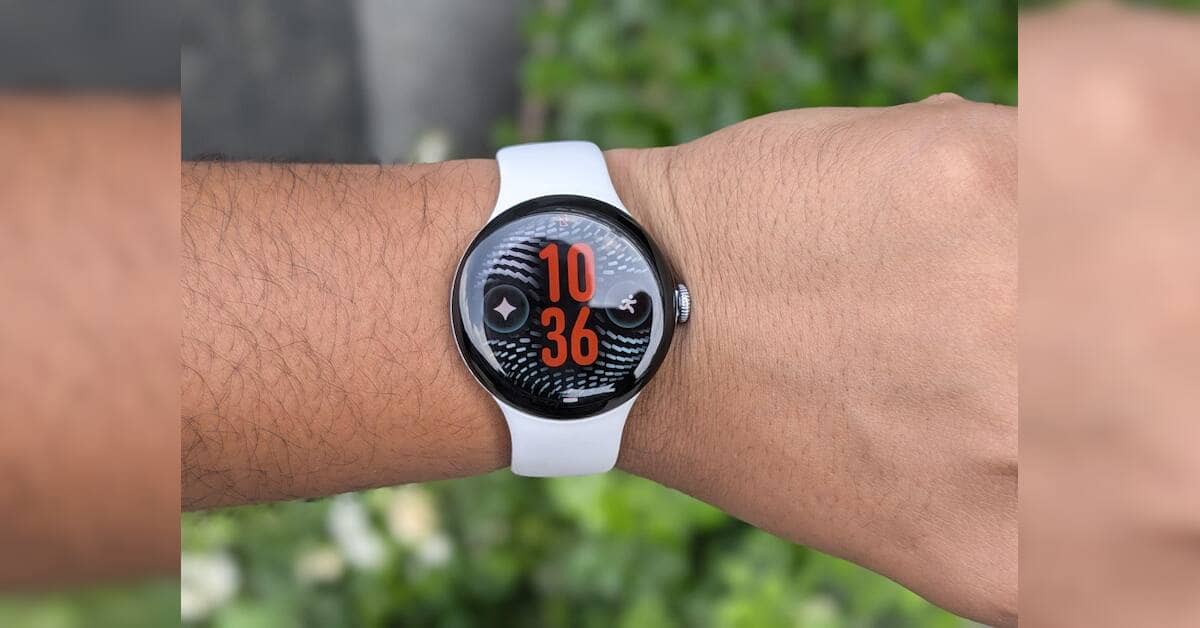
Google has taken a notably different approach with the Pixel Watch 5, moving away from the industry's traditional focus on raw specifications and performance metrics. Instead, the device concentrates on delivering health insights that users can actually understand and apply to their daily lives, marking a departure from the spec-heavy competition that dominates the smartwatch market.
The strategy appears to have paid dividends. Rather than overwhelming users with dense health data, the Pixel Watch 5 interprets information in ways that make practical sense, helping wearers understand what their biometric readings actually mean for their wellbeing. This user-centric approach has resulted in a device that manages to balance functionality with accessibility.
Another significant benefit of this philosophy is extended battery performance. By focusing resources on meaningful features rather than pushing processing power, Google has managed to improve the watch's endurance between charges—a persistent pain point for smartwatch users. The Pixel Watch 5 demonstrates that thoughtful prioritisation of features can deliver tangible improvements in everyday usability.
The device signals a potential shift in smartwatch design philosophy, suggesting that manufacturers may increasingly recognise that raw computational power matters less than whether users can actually derive value from their wearable technology. For Indian consumers considering a smartwatch purchase, the Pixel Watch 5 offers a case study in how form and function can align more effectively when manufacturers prioritise user experience over marketing specifications.