Politics · Thailand Bureau
Google urges Thailand to balance data centre rules with AI investment appeal
Google has warned that overly strict or uncertain regulations on data centres could deter global artificial intelligence infrastructure investment from Thailand. The technology giant is calling for a balanced regulatory approach that maintains the country's competitive position in the regional AI market.
LSN Thailand ·
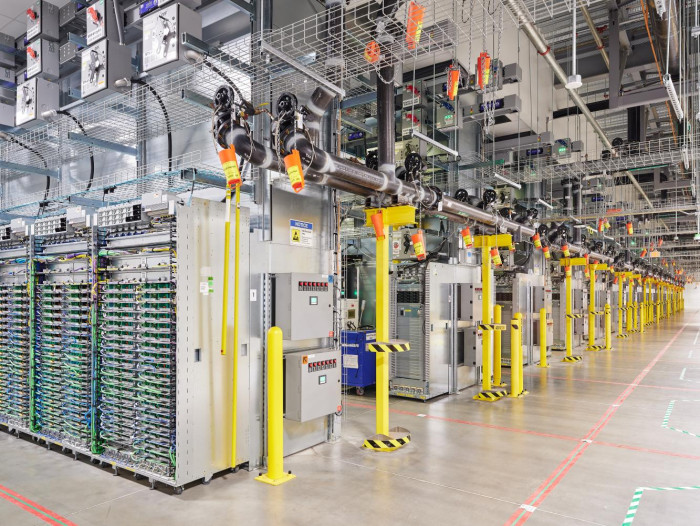
Thailand faces a critical juncture in developing its data centre regulatory framework, with industry leaders cautioning against policies that could undermine the nation's attractiveness to major technology investors. Google has emphasized the need for what it describes as "calibrated" regulations—rules that provide adequate oversight without creating barriers to capital deployment in artificial intelligence infrastructure projects.
The search giant's position reflects broader concerns within the global technology sector about regulatory consistency and predictability. Excessively rigid rules or prolonged uncertainty surrounding data centre operations could redirect investment flows to competing markets in the region that offer clearer, more investor-friendly regulatory environments, according to the company.
Thailand has positioned itself as a potential hub for AI infrastructure development in Southeast Asia, seeking to attract major international technology investments. However, policymakers must navigate competing priorities: ensuring data security and sovereignty while simultaneously creating conditions that appeal to multinational corporations planning substantial capital expenditures.
The remarks underscore ongoing tensions between the desire for tighter government oversight of critical digital infrastructure and the competitive imperatives of attracting foreign investment in fast-growing technology sectors. Industry observers suggest that Thailand's regulatory approach to data centres could significantly influence its prospects for becoming a regional artificial intelligence innovation centre.