World · Malaysia Bureau
Government aid schemes could bolster B40 support for Anwar's coalition
Policy analysts suggest targeted assistance programmes have potential to strengthen backing among Malaysia's bottom 40 per cent income earners for Prime Minister Anwar Ibrahim and Pakatan Harapan. However, the sustainability of such political gains depends on whether these measures genuinely ease the cost of living burden.
LSN Malaysia ·
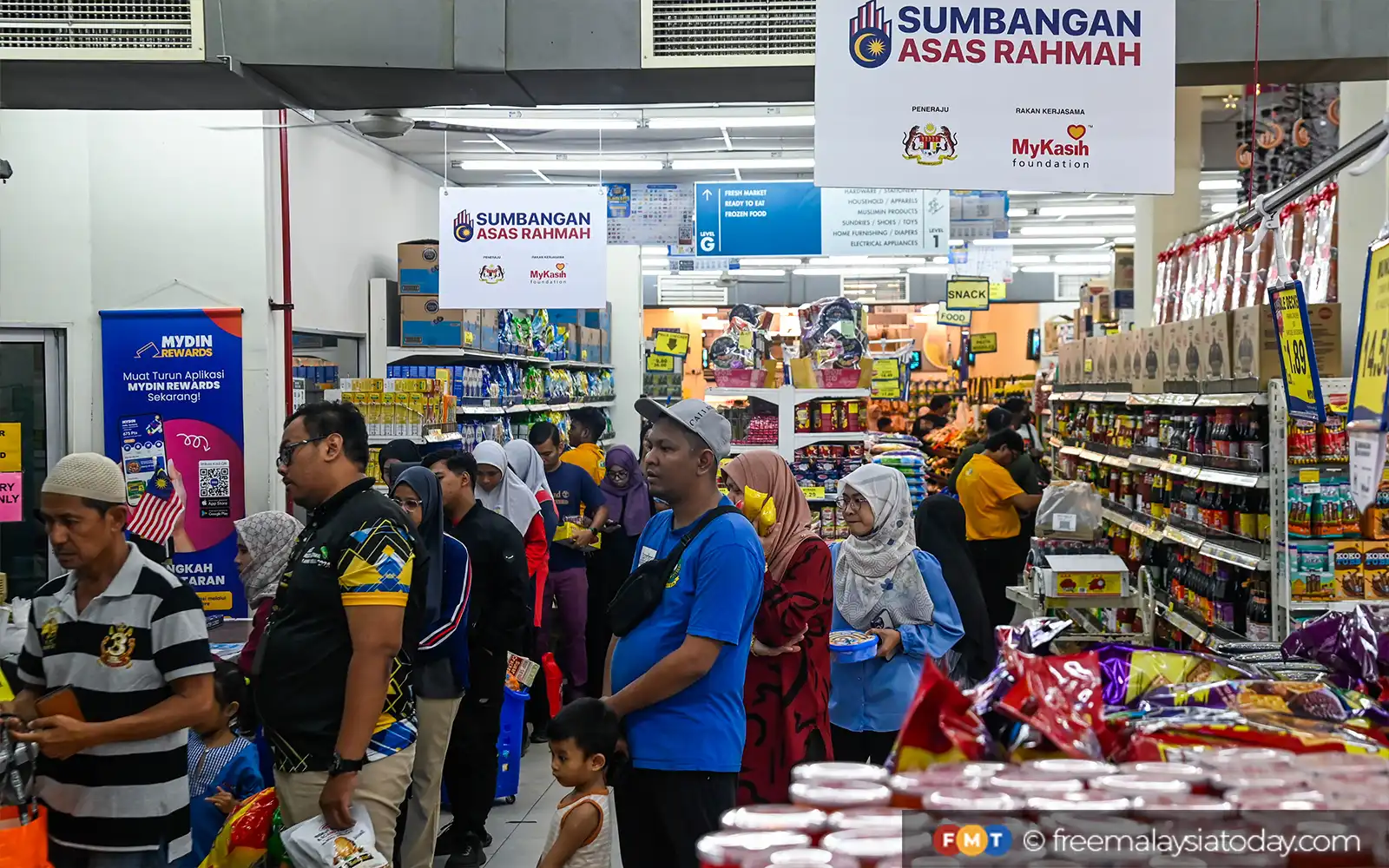
Government assistance initiatives could serve as a meaningful tool for consolidating support among Malaysia's lower-income households for Prime Minister Anwar Ibrahim and his Pakatan Harapan coalition, according to policy observers.
Analysts note that well-designed aid schemes targeting the B40 demographic—the bottom 40 per cent of earners—have demonstrated capacity to influence voting preferences and political sentiment among economically vulnerable groups. The potential exists for such interventions to translate into increased backing for the current administration.
However, experts caution that the long-term political benefits of these programmes hinge critically on their actual effectiveness in reducing household expenses and improving living standards. If assistance measures fail to meaningfully alleviate the cost of living pressures faced by lower-income Malaysians, any initial gains in support risk proving temporary.
The analysis suggests that implementation quality and tangible economic outcomes will ultimately determine whether government aid translates into durable political support or represents merely a temporary reprieve for an administration seeking to consolidate its electoral base among Malaysia's economically strained households.