World · India Bureau
Government eyes ₹6,000 crore from MTNL land sales in FY27
The Department of Telecommunications has set an ambitious target to raise ₹6,000 crore through the monetisation of Mahanagar Telephone Nigam Limited's real estate holdings in the coming financial year. Five high-value properties in Mumbai, collectively valued at approximately ₹4,000 crore, have already secured clearance from the government's alternative mechanism for expedited processing.
LSN India ·
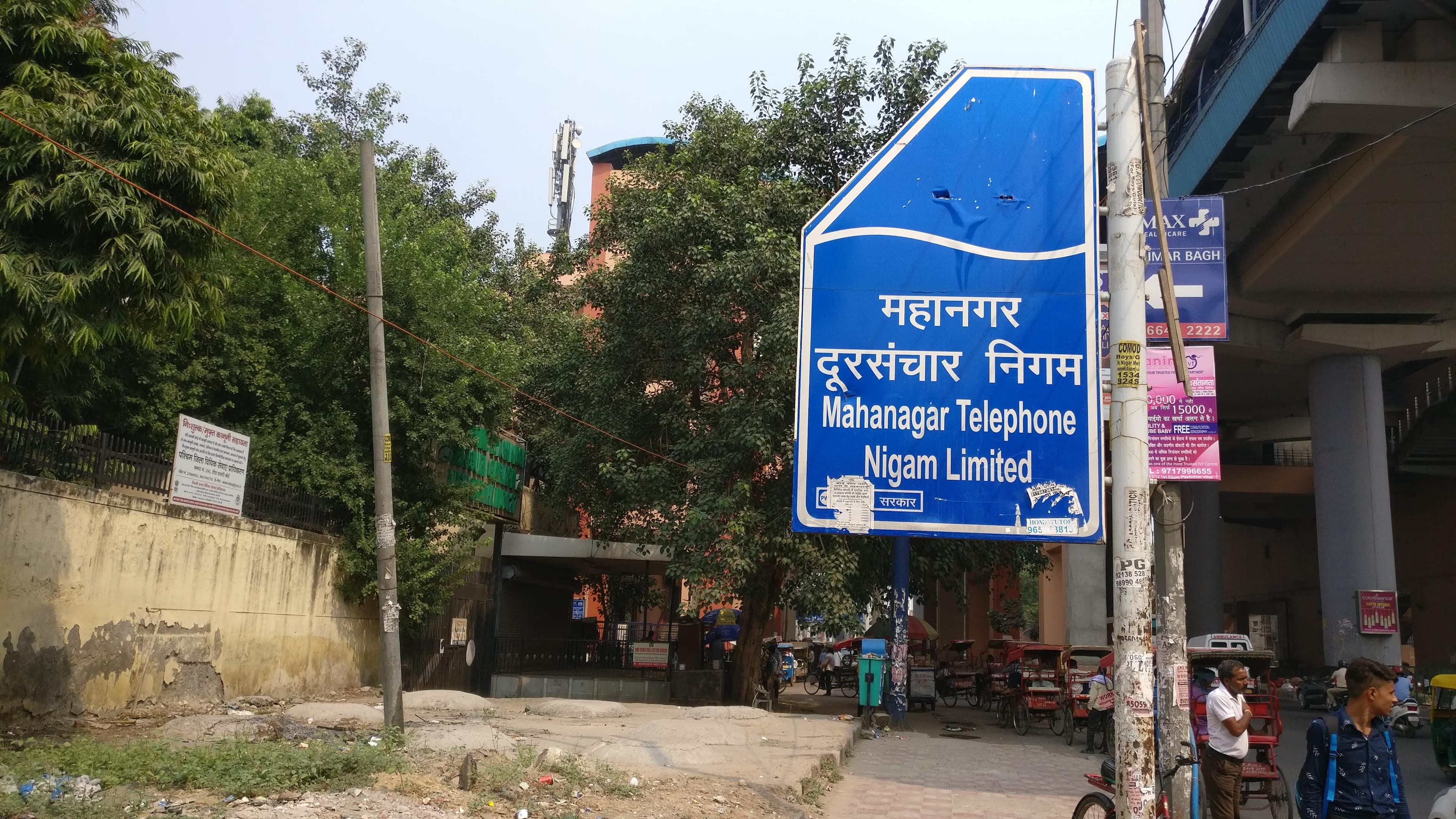
The central government is pursuing an aggressive strategy to unlock value from Telecom PSU MTNL's substantial real estate portfolio, with plans to realise ₹6,000 crore through strategic land disposals during FY27. This revenue-generating initiative forms part of broader efforts to strengthen the financially-strained telecommunications company's balance sheet.
MTNL's Mumbai properties represent the most immediately actionable component of this divestment programme. The five prime assets, carrying a combined valuation of ₹4,000 crore, have received approval from the government's alternative mechanism, a streamlined approval process designed to accelerate decision-making on strategic asset sales. This clearance positions these holdings for transaction in the coming fiscal year.
The monetisation drive reflects government strategy to mobilise resources from state-owned enterprises' non-core assets. Land holdings constitute a significant but underutilised component of MTNL's balance sheet, and systematic realisation of these assets could provide critical capital infusion without impacting the company's operational telecommunications infrastructure.
Beyond the Mumbai portfolio, MTNL holds additional real estate across multiple cities that may be evaluated for future monetisation tranches. The government's ₹6,000 crore FY27 target suggests a phased approach to land asset conversion, with potential for revised targets in subsequent years as market conditions and transaction timelines evolve.