Politics · India Bureau
Grandson cannot claim ancestral property rights post-partition: Supreme Court
India's apex court has ruled that property inherited by a father under the Hindu Succession Act becomes his individual asset, barring descendants from claiming ancestral birthright. The judgment dismisses a nearly three-decade-old partition dispute.
LSN India ·
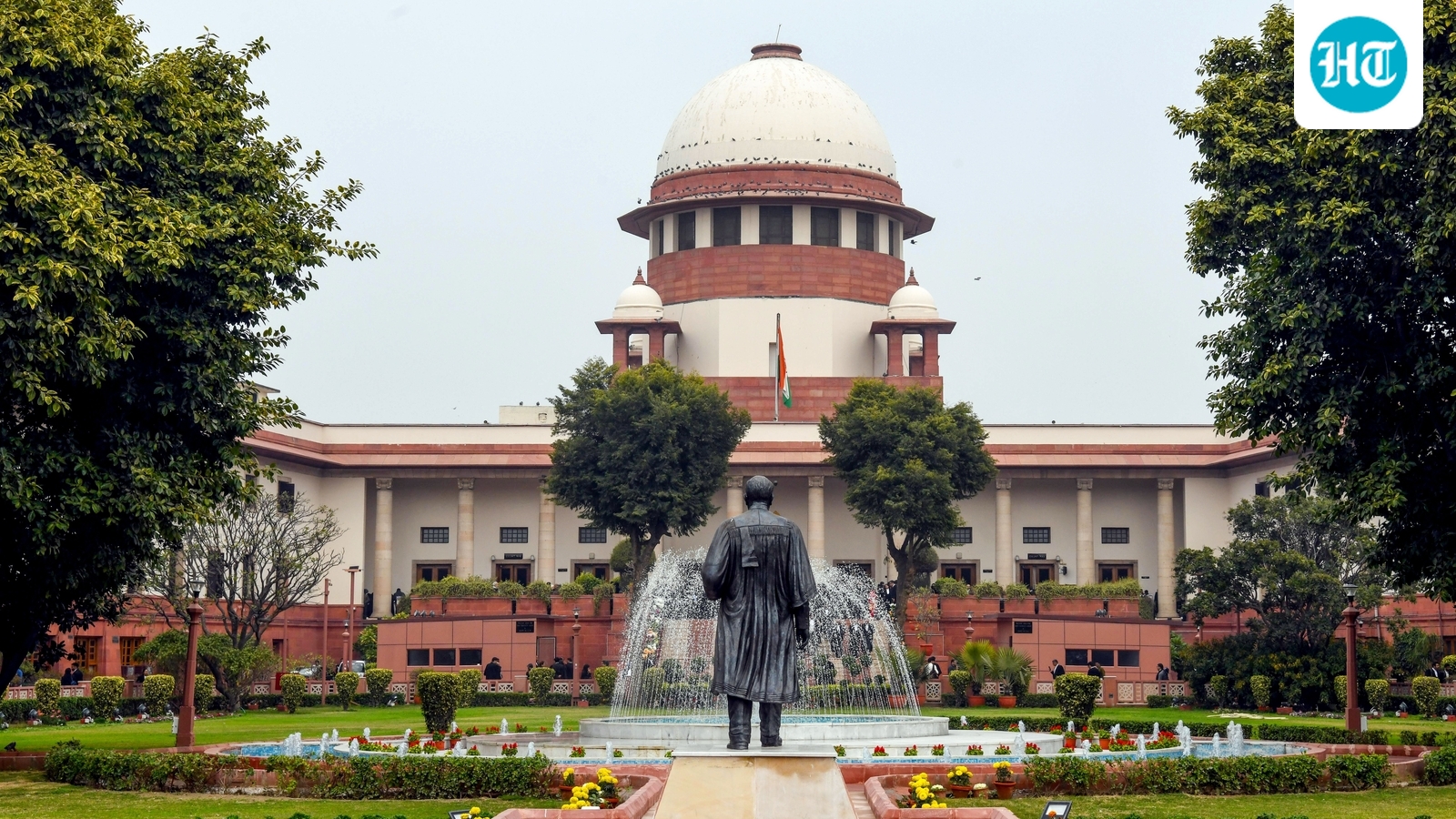
The Supreme Court has delivered a significant ruling on succession and partition matters, holding that a grandson cannot stake claim to ancestral property on grounds of birthright after a partition has occurred. The judgment, which resolves a 29-year-old legal dispute, establishes that when property is inherited by a father under the provisions of the Hindu Succession Act, such property assumes the character of his individual holding rather than remaining joint family property.
The court's decision underscores the distinction between ancestral property rights and individually acquired or inherited assets within Hindu joint family frameworks. Once property passes to a family member through succession, it transitions from the realm of collective family ownership to personal property, limiting the claims of subsequent generations to their statutory inheritance shares rather than broader birthright assertions.
The ruling carries implications for numerous succession cases pending across Indian courts, particularly those involving partition disputes and competing claims on family property. It clarifies that the Hindu Succession Act's provisions establish individual ownership rights that supersede traditional notions of birthright claims in ancestral estates once property has been formally inherited.
This judgment is expected to provide clarity to lower courts handling similar partition matters and may influence how families approach property division and succession planning under Hindu law provisions.