World · India Bureau
Great Fire of London in 1666 created massive housing shortage
The devastating fire that swept through London on this day in 1666 destroyed thousands of homes and displaced an estimated 100,000 residents, triggering a severe housing crisis in the medieval city.
LSN India ·
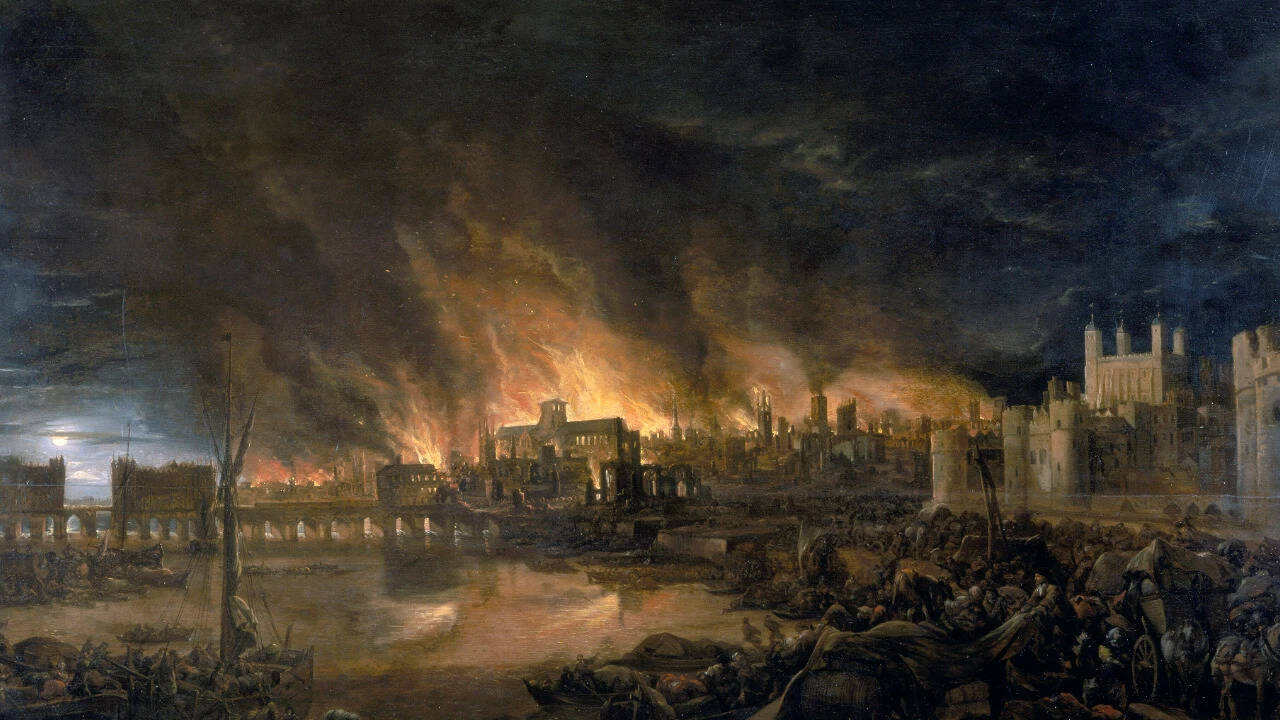
The Great Fire of London, which erupted in 1666, stands as one of history's most consequential urban disasters, leaving a profound impact on the city's infrastructure and population. The conflagration consumed vast swathes of the capital, destroying numerous wooden structures that had been densely packed in the medieval city center.
The scale of destruction was unprecedented for its time. An estimated 100,000 Londoners found themselves without homes following the fire, creating an acute housing shortage that would take years to address. The loss of shelter for such a large population posed immediate humanitarian challenges and disrupted the city's economic functioning.
Beyond the human toll, the fire's aftermath forced London to reconsider its urban planning and building practices. The disaster prompted authorities to implement stricter building codes and encourage the use of more fire-resistant materials in reconstruction efforts. These changes would gradually reshape the city's architectural landscape.
The housing crisis resulting from the Great Fire became a catalyst for urban renewal, though the process was slow and difficult for displaced residents. The event remains a pivotal moment in London's history, illustrating both the vulnerability of densely populated medieval cities and the potential for transformative change following catastrophe.