World · India Bureau
Greek lake loses 92% of water as climate change accelerates across Mediterranean
Lake Koroneia in Greece, once a thriving habitat for migratory birds and fish populations, has lost nearly all its water over the past decade due to reduced rainfall, rising temperatures, and excessive irrigation demands. The rapid desiccation of the lake exemplifies the mounting climate pressures facing Mediterranean ecosystems.
LSN India ·
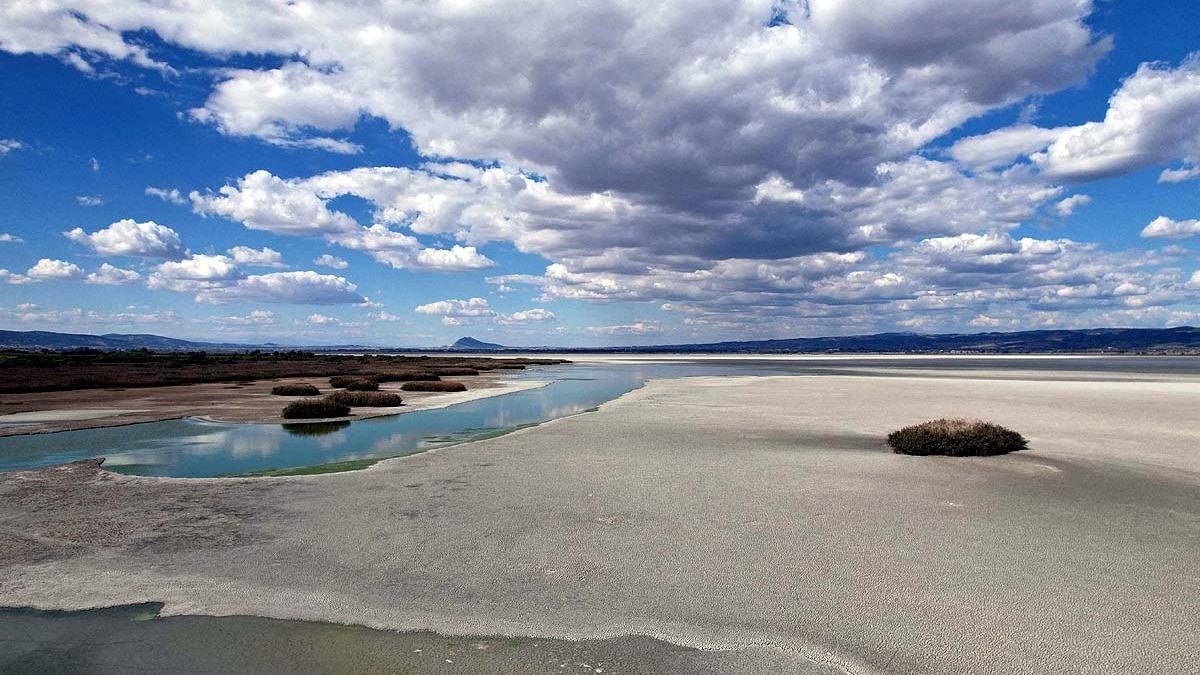
Lake Koroneia, located in northern Greece, has undergone a dramatic transformation in recent years as water loss has accelerated across the region. The once-vibrant freshwater lake, which historically supported diverse populations of migratory birds and aquatic species, has seen approximately 92 percent of its water volume disappear within a decade.
The lake's decline results from a convergence of environmental and human factors. Declining precipitation patterns, intensifying heat waves, and heavy agricultural irrigation demands have collectively drained the water body at an unprecedented rate. Climate scientists have linked these changes to broader warming trends affecting the entire Mediterranean region.
The environmental consequences have been severe. The lake's ecological collapse has eliminated critical habitat for migratory bird species and disrupted aquatic life cycles that depend on the freshwater ecosystem. Local communities reliant on the lake for water resources have also faced increasing scarcity concerns.
Greece's experience with Lake Koroneia reflects broader regional challenges as Mediterranean countries grapple with the practical impacts of climate change. Water management officials and environmental agencies across the region are increasingly focused on developing adaptation strategies to address accelerating water loss in critical ecosystems and agricultural areas.