World · Malaysia Bureau
Greenpeace calls for binding clean air legislation to tackle regional haze
Environmental groups are pushing for a comprehensive Clean Air Act across Southeast Asia, arguing that voluntary diplomatic measures have failed to address persistent transboundary pollution. The push comes after decades of reliance on consensus-based regional cooperation.
LSN Malaysia ·
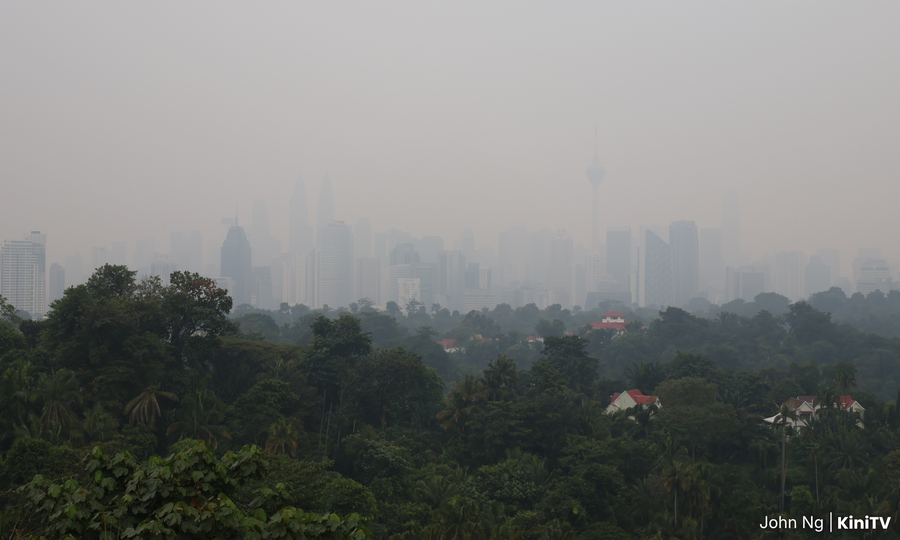
Greenpeace and allied environmental organisations have intensified calls for legally binding air quality standards across Southeast Asia, contending that existing diplomatic frameworks have proven insufficient in combating recurring haze episodes that plague the region.
The advocacy groups argue that more than two decades of cooperative arrangements under the ASEAN framework have not delivered measurable improvements in air quality or emissions reduction. Critics point to the cyclical nature of seasonal haze, particularly during dry months, which continues to affect millions of residents across Malaysia, Singapore, Indonesia and neighbouring countries.
Proponents of a Clean Air Act emphasise the need for enforceable regulations with standardised emissions limits, mandatory pollution monitoring, and cross-border accountability mechanisms. Such legislation would represent a departure from the traditional ASEAN consensus-based approach, which critics say lacks enforcement teeth and relies heavily on voluntary compliance from member states.
The regional haze crisis, predominantly driven by agricultural burning and industrial emissions in Indonesia, has repeatedly disrupted daily life, closed schools, and strained healthcare systems throughout Malaysia and the wider region. Environmental advocates argue that without statutory requirements and penalties for non-compliance, transboundary air pollution will continue to worsen as economic activity expands across Southeast Asia.
The proposal faces significant diplomatic hurdles, as ASEAN member states have historically resisted binding multilateral agreements that could constrain national sovereignty or impose economic costs on domestic industries.