Politics · India Bureau
Greenpeace deploys underwater boulders to block industrial fishing in North Sea
Environmental activists have placed nine limestone boulders across 45 square miles of the Southern North Sea in an effort to prevent destructive bottom trawling. The action, taken without government authorization, seeks to protect marine ecosystems where industrial fishing methods threaten vulnerable species including harbour porpoises.
LSN India ·
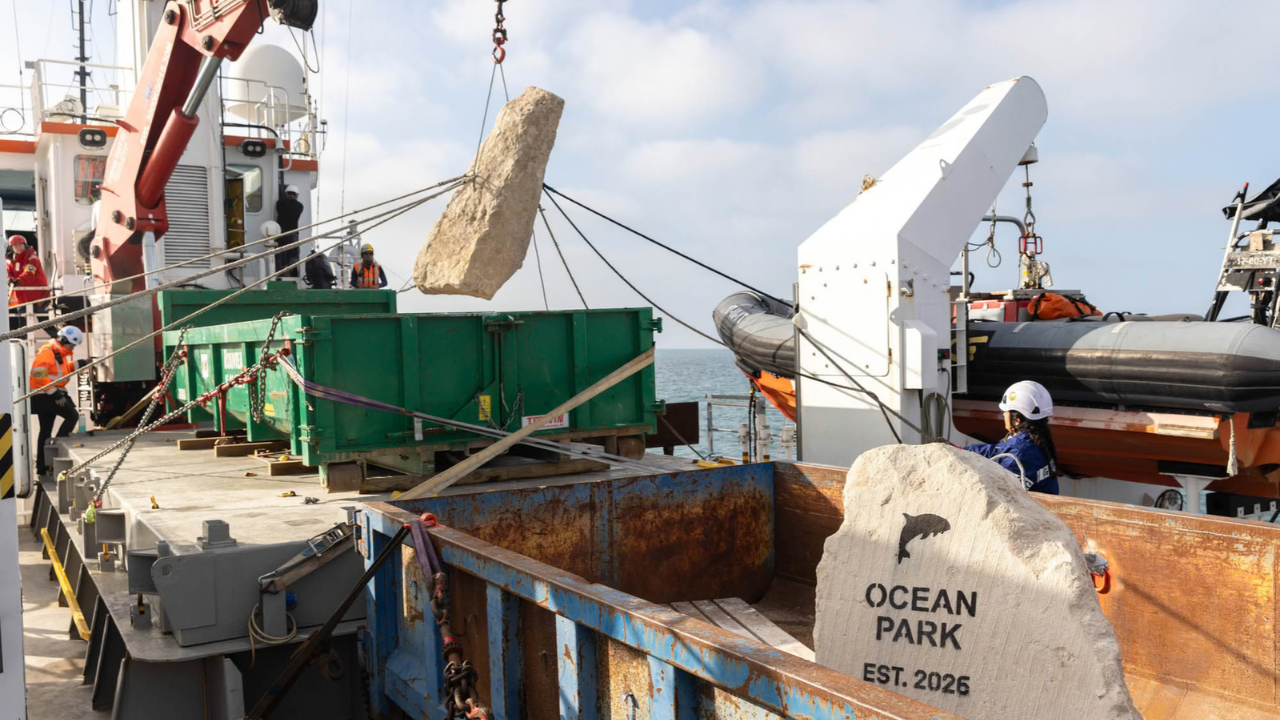
Greenpeace has taken direct action to restrict industrial fishing in European waters by deploying nine large limestone boulders on the seafloor of the Southern North Sea. The boulders are intended to create a physical barrier against bottom trawling, a fishing method that drags heavy nets across the ocean floor and is widely recognized as damaging to marine biodiversity.
The environmental organization says the intervention became necessary because government protections have failed to adequately safeguard marine habitats from destructive fishing practices. The underwater barrier spans approximately 45 square miles and specifically targets protection of harbour porpoise populations, which are vulnerable to the impacts of industrial fishing operations in the region.
The deployment raises questions about regulatory compliance, as Greenpeace proceeded without obtaining a marine licence from authorities. Environmental groups argue that such direct actions highlight gaps in government enforcement of marine conservation policies. The action represents an escalation in Greenpeace's campaign against bottom trawling, a practice that environmental scientists contend causes significant damage to seafloor ecosystems and reduces marine biodiversity.
The initiative adds to growing international pressure to restrict bottom trawling in European waters. Conservation advocates maintain that physical barriers to destructive fishing methods serve as interim protective measures while governments develop comprehensive marine protection frameworks.