World · India Bureau
Grid bottlenecks risk stalling India's renewable energy growth trajectory
Transmission constraints and grid congestion are forcing solar generators across western India to curtail output during peak production hours, threatening the nation's clean energy expansion plans. Rating agency ICRA warns that many producers operating under short-term agreements face mounting pressure to reduce or halt generation.
LSN India ·
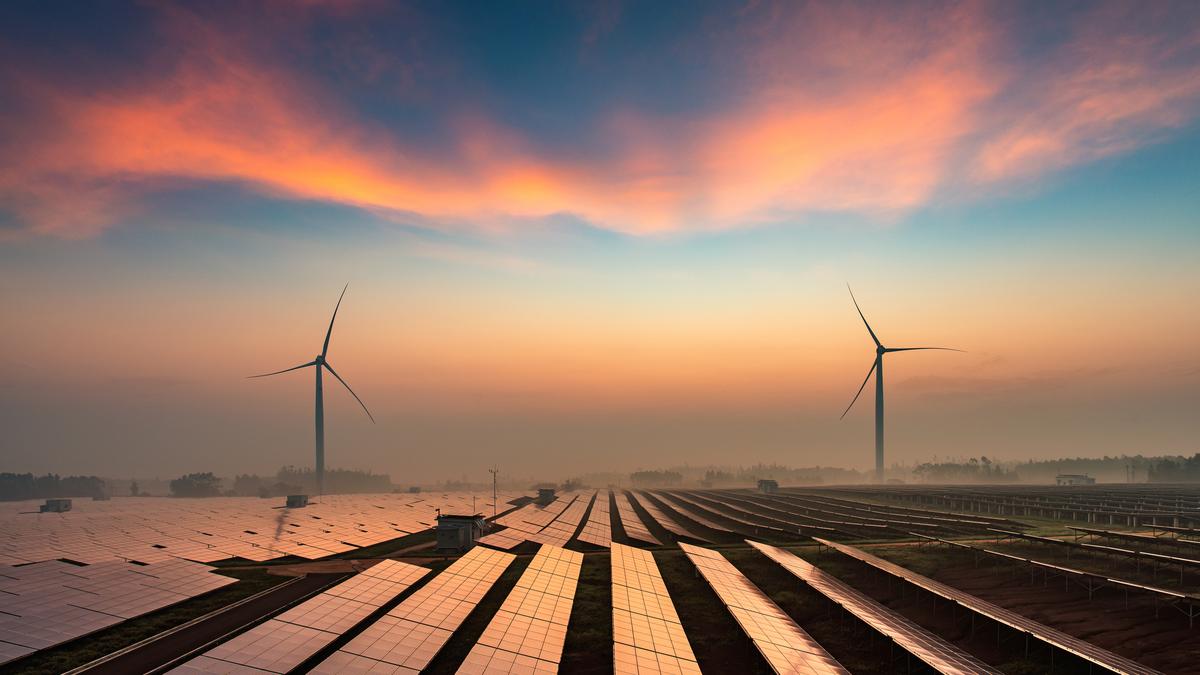
India's accelerating renewable energy transition faces a significant infrastructure challenge as grid transmission limitations force solar power producers to curtail generation during daylight hours, according to a new assessment by credit rating agency ICRA.
The constraint is particularly acute in western India, where many solar installations operate under short-term power purchase agreements that lack protections against forced shutdowns. During periods of grid congestion and oversupply, these producers have little choice but to reduce or completely halt electricity generation—reducing revenue while renewable capacity remains underutilized.
The issue underscores a critical gap between India's renewable capacity additions and its grid infrastructure. While the country has significantly expanded solar and wind installations in recent years, transmission networks have not kept pace, creating bottlenecks that impede the flow of clean energy to consumption centers.
Industry analysts warn that without urgent investment in grid modernization and expansion, transmission constraints could become a major bottleneck limiting India's ability to achieve its ambitious renewable energy targets. Policymakers face mounting pressure to strengthen interconnections and implement smart grid technologies that can better manage variable renewable generation.
The challenge extends beyond lost generation, with experts flagging risks to project economics and investment sentiment if curtailment issues persist. Addressing the transmission deficit has become essential to unlocking India's full renewable energy potential.