World · Malaysia Bureau
Grid bottlenecks threaten to derail global clean energy expansion
Electricity network constraints are increasingly hampering the deployment of renewable energy sources worldwide, with China's power grid curtailment of renewable generation in the first half of 2026 alone equivalent to Mexico's annual electricity needs.
LSN Malaysia ·
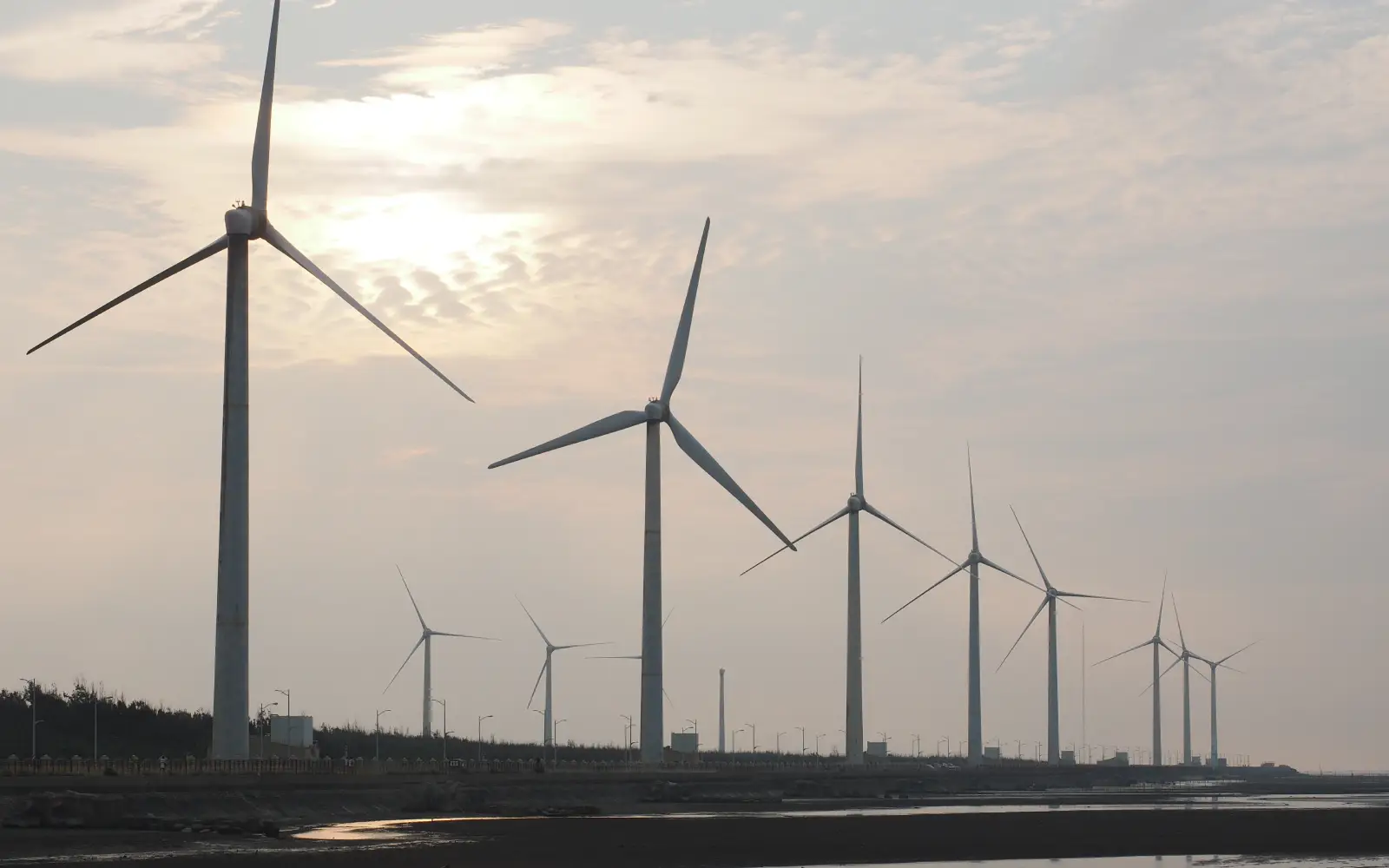
The global shift toward clean energy is facing a significant headwind as electrical grid infrastructure struggles to keep pace with the rapid expansion of renewable power capacity. Network limitations are forcing utilities and grid operators to reduce or curtail renewable energy generation, effectively wasting vast quantities of available clean power that cannot be transmitted or distributed to end users.
China's experience illustrates the scale of the challenge. During the first six months of 2026, the country curtailed renewable energy production sufficient to supply Mexico's entire annual electricity consumption, according to grid data and energy analyses. This curtailment reflects the fundamental mismatch between where renewable energy is being generated—often in remote, resource-rich regions—and where demand exists in major population and industrial centers.
The phenomenon is not unique to China. Grid congestion issues have been reported across multiple regions as countries accelerate their renewable capacity installations without corresponding investments in transmission infrastructure and grid modernization. Energy storage solutions and demand management technologies remain underdeveloped in many areas, exacerbating the bottleneck.
Industry observers warn that without substantial infrastructure investment and grid upgrades, the clean energy sector's growth trajectory will slow considerably. Policymakers and utilities across Asia-Pacific are increasingly recognizing the need for coordinated planning that balances renewable deployment with grid expansion and smart technologies to optimize power distribution and utilization.