World · Bangladesh Bureau
Groundwater irrigation offers new hope for Bangladesh char land farming
Agricultural authorities are exploring groundwater extraction as a sustainable irrigation solution for Bangladesh's challenging char lands, where traditional water sources remain unreliable. The initiative aims to boost productivity and food security in these flood-prone riverine areas.
LSN Bangladesh ·
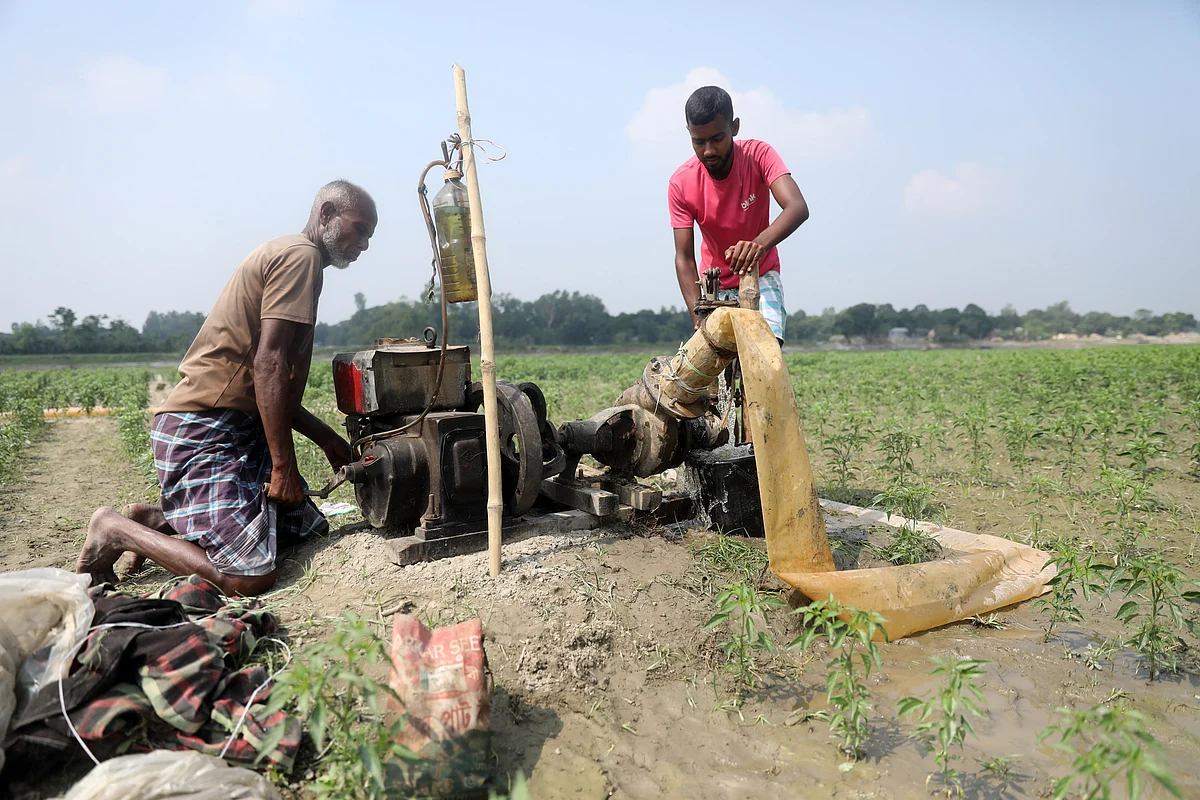
Char lands—the temporary islands formed by river sedimentation across Bangladesh—present unique agricultural challenges due to their isolated locations and unpredictable water availability. Farmers cultivating these areas have historically struggled with inconsistent irrigation access, limiting crop yields and economic viability. Groundwater irrigation now represents a potentially transformative approach to overcoming these obstacles and unlocking the productive capacity of these marginal lands.
The groundwater-based irrigation model leverages the region's available aquifer resources to provide farmers with a more dependable water supply throughout the agricultural season. Unlike surface water sources that fluctuate with monsoons and river levels, groundwater offers greater consistency and can be managed more precisely through tube wells and similar extraction infrastructure. This reliability could enable farmers to cultivate high-value crops and adopt more intensive farming practices year-round.
Implementing groundwater irrigation across char lands requires careful consideration of sustainability and environmental impact. Agricultural experts emphasize the importance of monitoring groundwater depletion rates and ensuring extraction levels remain within sustainable limits. Communities must also address infrastructure costs and maintenance requirements that come with tube well systems.
The initiative aligns with broader national goals to enhance food security and rural incomes. By making char land farming more productive and stable, groundwater irrigation could improve livelihoods for thousands of farming families while contributing to Bangladesh's agricultural output. Regional authorities are reportedly studying pilot programs to assess the long-term viability of this approach before wider implementation.