World · India Bureau
Growing henna at home offers sustainable alternative to market-bought dye
Indian households can cultivate fresh henna plants in containers rather than purchasing commercial products. With proper pot selection, soil preparation, and basic care techniques, homegrown henna plants can thrive and produce abundant foliage for personal use.
LSN India ·
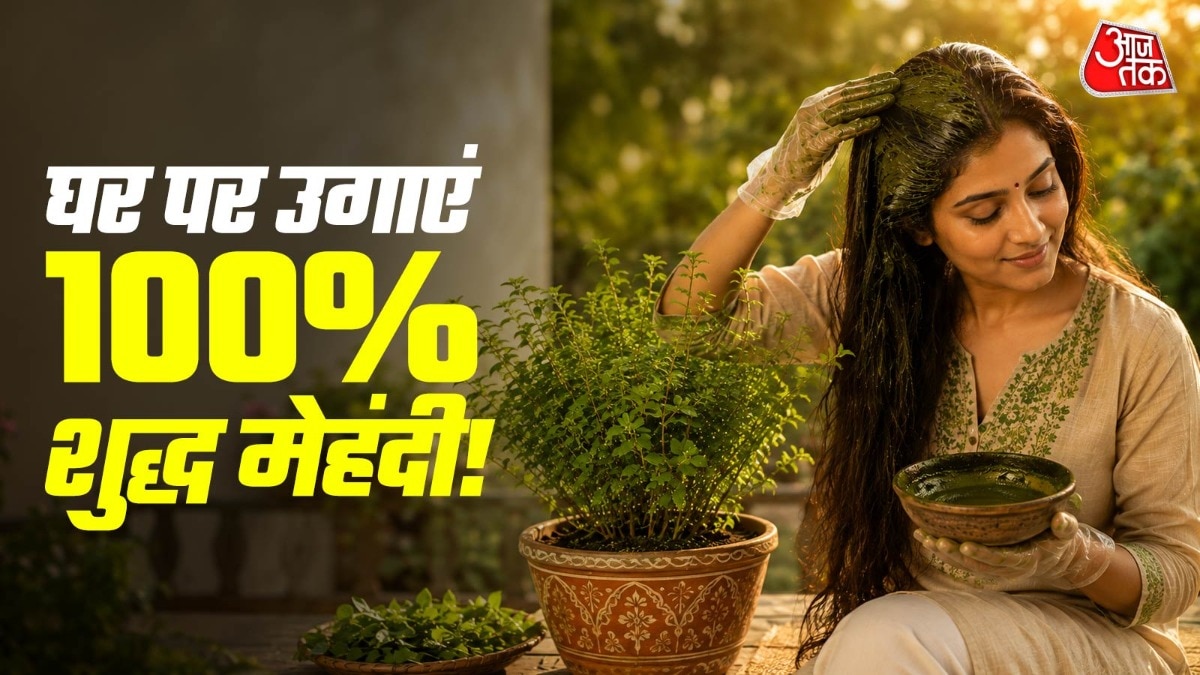
Cultivating henna plants at home has become an increasingly popular practice among Indian families seeking a cost-effective and organic alternative to store-bought henna dye. The process requires minimal expertise and relies on readily available gardening materials found in most households.
Successful henna cultivation begins with selecting an appropriately sized container with adequate drainage holes and filling it with well-prepared soil mixed with organic compost. The plant thrives best when positioned in locations receiving ample sunlight throughout the day, as this directly influences the growth rate and foliage density.
Regular watering forms a critical component of henna plant maintenance, though excessive moisture should be avoided to prevent root complications. Periodic pruning encourages bushier growth patterns and increases leaf production, while consistent application of organic fertilizers supports healthy development without introducing chemical residues.
Once established, homegrown henna plants typically provide sufficient leaves for regular use within several months. This approach eliminates recurring purchase expenses while ensuring access to fresh, naturally-grown henna for personal grooming and traditional applications throughout the year.