World · India Bureau
Guide to Growing Nutrient-Rich Moringa Plants at Home
Moringa, also known as drumstick, can be easily cultivated in pots on balconies and terraces across India. With minimal effort and proper care, home gardeners can grow this nutritious plant for regular kitchen use.
LSN India ·
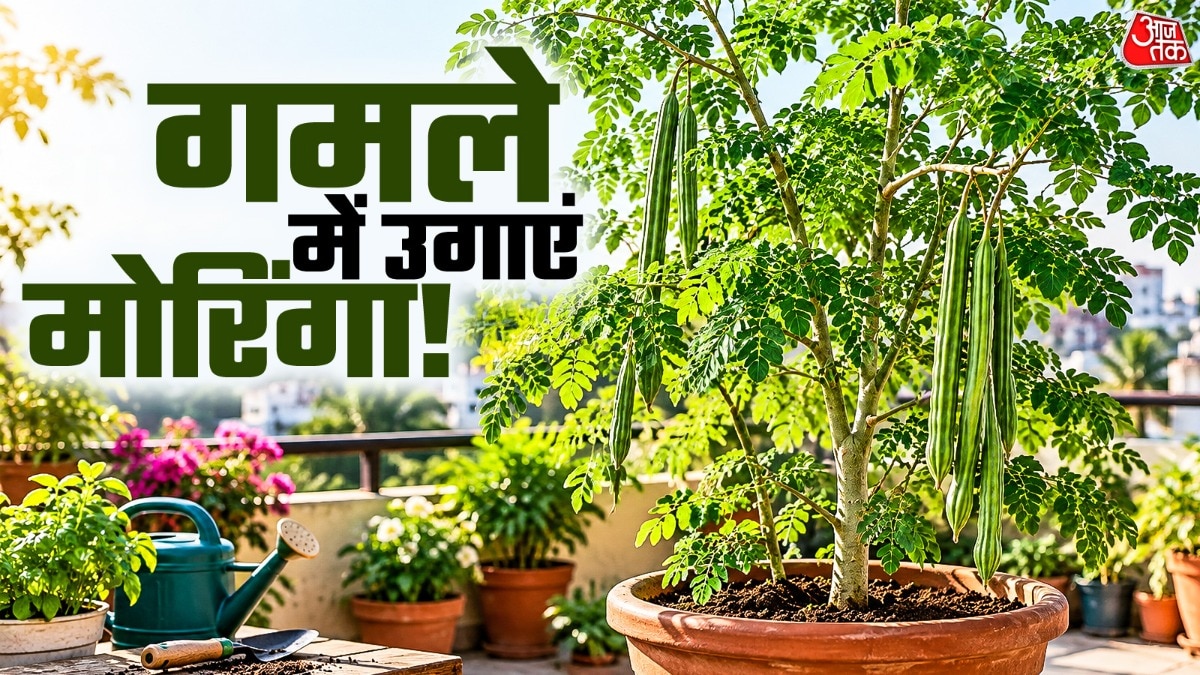
Moringa oleifera, commonly called drumstick or sehjan in Hindi, is increasingly popular among Indian home gardeners seeking to grow their own vegetables and herbs. The plant thrives in container gardening, making it ideal for urban dwellers with limited space.
Successful moringa cultivation requires attention to several key factors. Selecting an appropriately sized pot with good drainage capacity is essential, as the plant prefers well-aerated soil. The growing medium should consist of nutrient-rich soil mixed with compost to support healthy development. Moringa plants demand substantial sunlight—ideally six to eight hours daily—making south-facing balconies and open terraces optimal locations.
Regular fertilization enhances plant growth and productivity. Organic manure or balanced fertilizers applied periodically promote both leafy growth and fruit production. Consistent watering is necessary, though the plant demonstrates drought tolerance once established. Most gardeners can expect their moringa plants to begin yielding leaves and tender pods within several months of planting.
Once mature, moringa provides dual benefits: nutritious leaves for cooking curries and leafy preparations, and tender pods for vegetable dishes. The leaves are particularly valued for their high protein, vitamin, and mineral content. Home-grown moringa eliminates concerns about pesticide residues while ensuring a steady supply of fresh produce for household consumption.