World · India Bureau
Guide to lighting Yam Diya on Dhanteras: timing, rituals and significance
As Dhanteras approaches in 2026, devotees seek guidance on the proper methods and auspicious timing for lighting the Yam Diya, an important ritual believed to ward off untimely death and bring prosperity.
LSN India ·
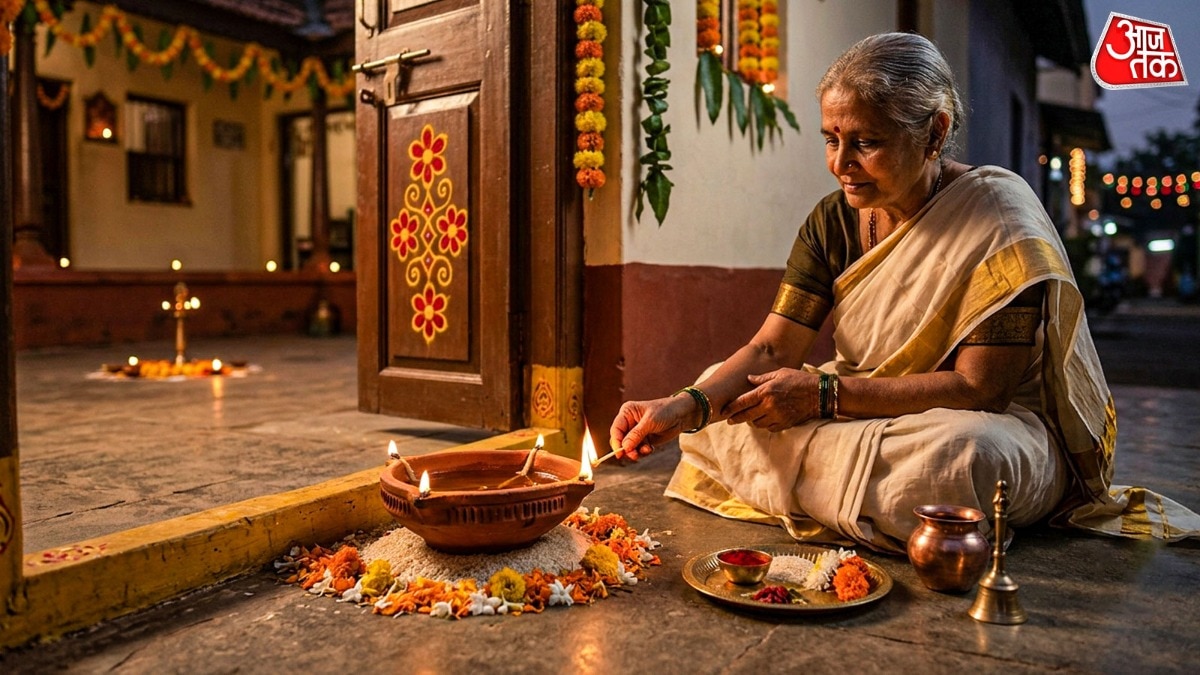
Dhanteras, the first day of the five-day Diwali festival, holds special significance in Hindu tradition as a day dedicated to wealth and well-being. Central to the observance is the ritual of lighting the Yam Diya, or lamp dedicated to Yama, the god of death, which devotees believe offers protection and ensures longevity.
According to Hindu customs, the Yam Diya should be lit during the evening hours on Dhanteras, typically after sunset. The lamp is traditionally placed in the southern direction of the household, as south is associated with Yama in Hindu cosmology. Practitioners are advised to use cow ghee or sesame oil to light the diya, as these materials are considered spiritually pure and auspicious.
The ritual involves lighting the lamp with reverence while reciting mantras dedicated to Yama. Devotees often chant prayers seeking blessings for good health, long life, and protection from untimely death for family members. The lamp is typically kept lit throughout the night and may be allowed to burn completely.
Religious scholars emphasize that the practice carries deep symbolic meaning beyond its spiritual aspects. By acknowledging mortality through this ritual, believers seek to live consciously and appreciate the value of life. The Yam Diya thus represents a balance between celebrating prosperity during Dhanteras while remaining mindful of life's transient nature.
Devotees planning to observe this ritual in 2026 are encouraged to consult local Hindu calendars for precise auspicious timing and to follow family traditions that may include additional prayers or offerings alongside the lamp lighting.