World · India Bureau
Guide to selecting best pipes for underground home plumbing systems
Choosing the right piping material during home construction is critical, as poor selection can lead to corrosion, water contamination, and structural damage. Experts recommend considering modern alternatives to traditional iron pipes for residential underground plumbing networks.
LSN India ·
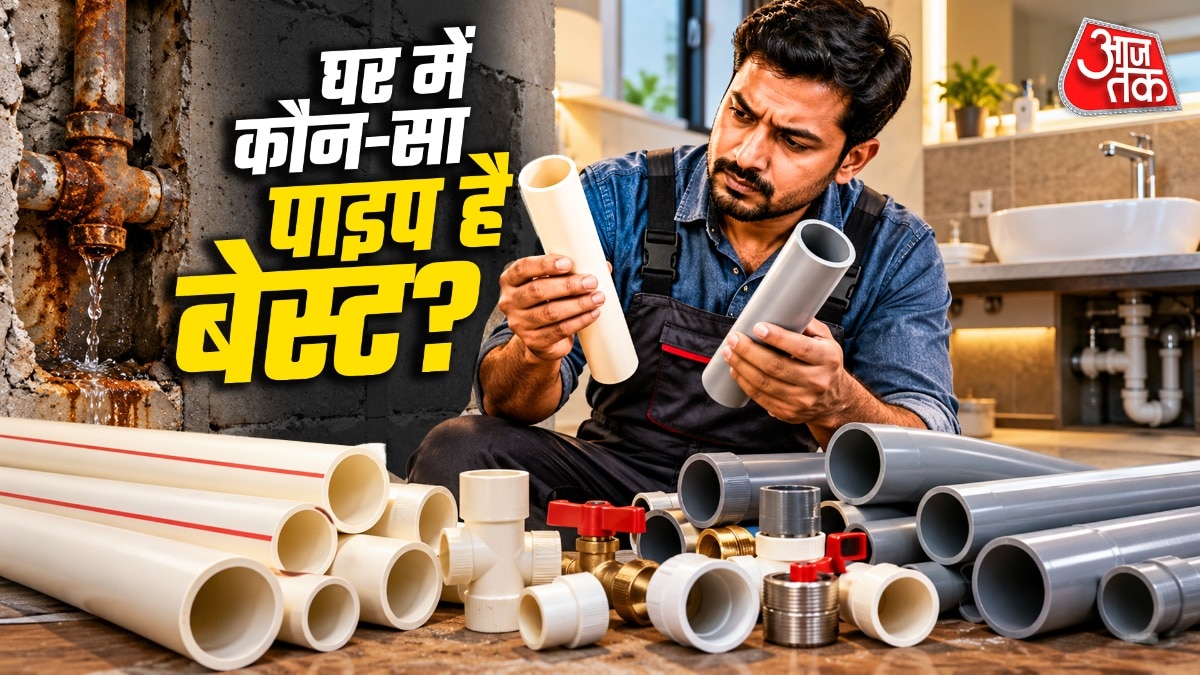
The choice of pipes for underground plumbing systems during home construction has significant long-term implications for water quality and structural integrity. Iron pipes, commonly used in older installations, are susceptible to rust and corrosion, which can compromise water supply and introduce contaminants into the system. Additionally, corroded pipes are prone to leakage, potentially causing dampness and water seepage into building foundations and walls.
For homeowners planning new construction or renovation projects, several modern piping materials offer superior durability and performance compared to traditional iron options. CPVC (Chlorinated Polyvinyl Chloride), UPVC (Unplasticized Polyvinyl Chloride), and OPVC are synthetic alternatives that provide better resistance to corrosion and environmental degradation. These materials have gained prominence in Indian residential construction due to their longevity and maintenance advantages.
Each of these plastic-based pipe materials offers distinct benefits suited to different installation requirements and budget considerations. CPVC pipes, for instance, demonstrate excellent temperature resistance and are suitable for both hot and cold water applications. UPVC pipes are lightweight, easy to install, and cost-effective, making them a popular choice for widespread residential use. Proper selection based on specific plumbing needs, local water conditions, and long-term durability requirements can prevent costly repairs and water quality issues in the future.
Building professionals recommend consulting with licensed plumbers or structural engineers to assess which piping system best suits individual property conditions and local water characteristics before finalizing construction plans.