World · India Bureau
Gujarat's liquor ban fuels alcohol production surge in Madhya Pradesh
Distilleries across Madhya Pradesh are capitalizing on Gujarat's prohibition policy, with the neighboring state's dry laws creating a lucrative market for contraband spirits. The policy disparity has transformed MP into a major liquor production hub supplying illegal alcohol to Gujarat's consumers.
LSN India ·
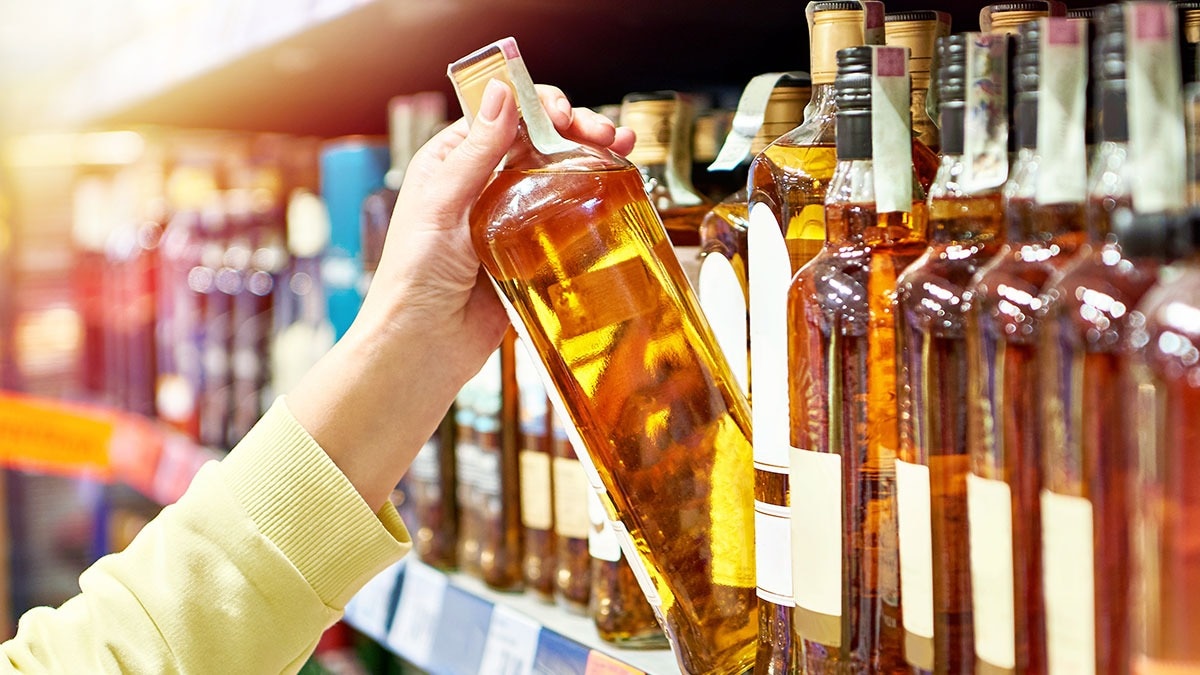
Gujarat's decades-old prohibition regime has inadvertently become a major driver of illicit alcohol production in neighboring Madhya Pradesh, where distilleries operate with minimal regulatory oversight. The stark contrast between the two states' liquor policies has created a thriving black market, with MP-manufactured spirits flowing across the border to meet demand from Gujarat's estimated 60 million residents.
Distilleries in Madhya Pradesh, particularly in districts bordering Gujarat, have expanded capacity significantly in recent years to meet this underground demand. The price differential between Gujarat's stringent enforcement and MP's more permissive regulatory environment has made smuggling operations highly profitable, drawing organized criminal networks and creating a parallel economy worth hundreds of crores annually.
Law enforcement agencies in both states have struggled to stem the flow of contraband liquor, with smuggling networks exploiting porous borders and inadequate surveillance. While Gujarat maintains its prohibition stance as a matter of state policy rooted in Gandhian principles, the practical effect has been to shift production to adjacent regions rather than eliminate consumption.
Government officials acknowledge the challenge but face competing priorities. MP authorities have attempted stricter licensing controls, while Gujarat police conduct periodic crackdowns on smuggling routes. However, experts suggest that addressing the issue fundamentally requires coordinated interstate policy action and addressing the underlying demand in Gujarat's population.