Business · India Bureau
Gulf oil exporters face shipping squeeze as Red Sea tensions mount
Houthi militant activity in the Red Sea combined with ongoing constraints at the Strait of Hormuz are significantly limiting shipping routes for Persian Gulf oil producers. The dual pressure threatens global energy supplies and raises operational risks for tanker operators.
LSN India ·
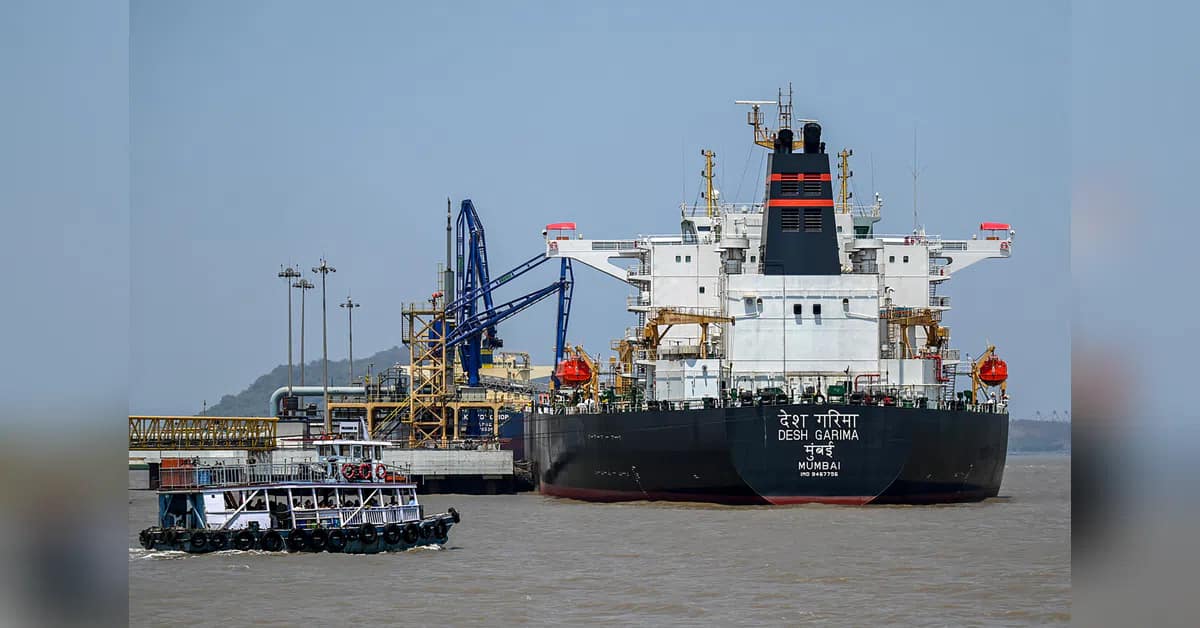
Oil tankers operating from Gulf ports are confronting a narrowing corridor of viable export routes as geopolitical tensions restrict traditional shipping lanes. Houthi operations in the Red Sea have made that waterway increasingly perilous for commercial vessels, while longstanding constraints around the Strait of Hormuz continue to limit throughput capacity. For oil-dependent economies in the region, the situation presents mounting logistical challenges and potential cost implications.
The Red Sea disruptions have forced shipping companies to consider longer, costlier alternate routes around the African continent to reach international markets. Meanwhile, the Strait of Hormuz—through which roughly one-third of global seaborne oil passes—remains subject to geopolitical pressures that constrain normal operations. Together, these factors have reduced the flexibility that Gulf exporters traditionally enjoyed in routing their crude shipments.
The shipping constraints carry significant implications for India and other Asian energy importers, which rely heavily on Gulf crude supplies. Extended transit times and elevated insurance premiums for vessels navigating disputed waters are likely to influence crude pricing and supply reliability. Energy analysts warn that sustained pressure on these export corridors could impact global oil market stability and add to inflationary pressures in importing nations.
Market observers are closely monitoring whether additional route restrictions or escalating regional tensions could further compress shipping options. Gulf oil producers have signaled concern about operational continuity, while shipping insurers and logistics firms are reassessing risk assessments and coverage for vessels transiting these waters. The evolving situation underscores the vulnerability of critical maritime chokepoints to geopolitical disruption.