World · India Bureau
Gulf oil exports maintain pre-conflict levels despite Hormuz tensions
Crude shipments from the Persian Gulf have remained stable at pre-war volumes even as geopolitical tensions persist around the Strait of Hormuz, a critical shipping chokepoint. The resilience in exports reflects efforts to maintain global energy supplies amid regional instability.
LSN India ·
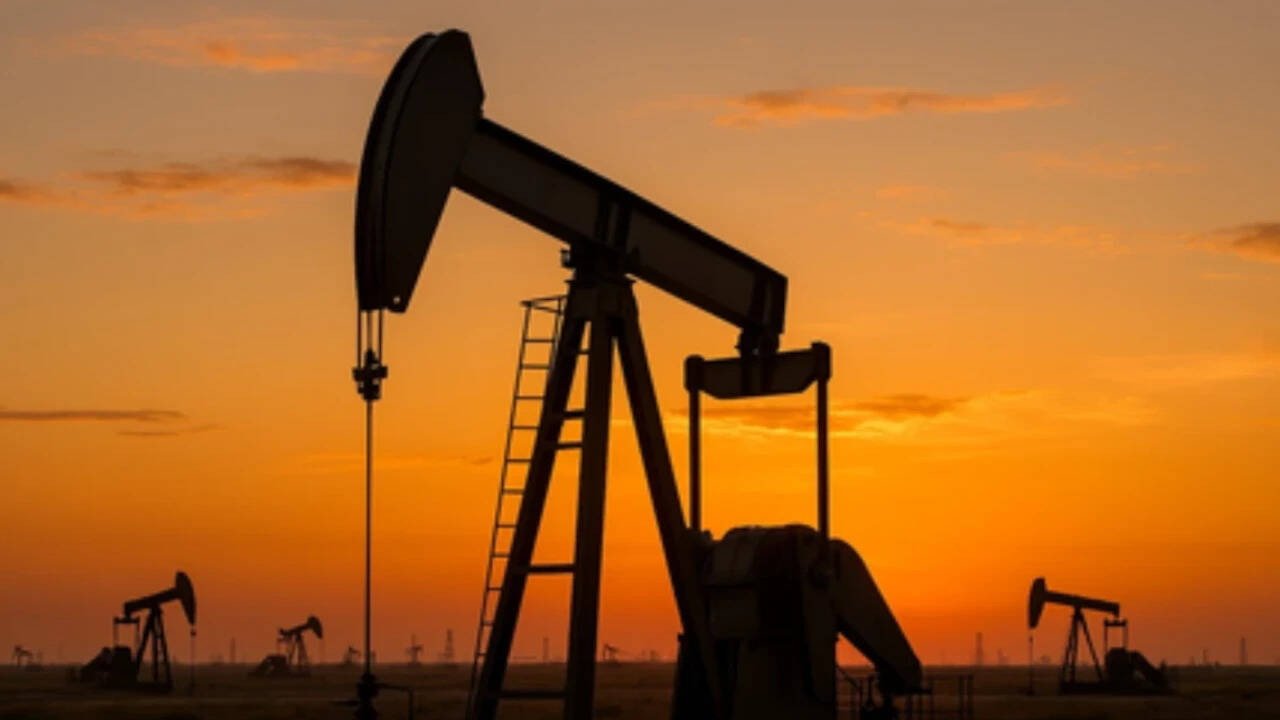
Petroleum exports from Gulf producers have continued flowing at levels comparable to those before recent conflicts erupted in the region, according to shipping data and market assessments. Despite heightened concerns over potential disruptions to the Strait of Hormuz—through which approximately one-third of seaborne traded crude passes—major oil-exporting nations have managed to sustain their output and shipment schedules.
The ability to maintain export volumes comes amid careful navigation of security risks and international efforts to keep shipping lanes open. Gulf producers including Saudi Arabia and the United Arab Emirates have balanced production commitments with the geopolitical challenges facing their waterway routes.
Analysts attribute the stable export figures to a combination of factors: the strategic importance of maintaining market confidence, increased security measures protecting tanker convoys, and the continued engagement of international naval forces in the region. Market participants have expressed cautious optimism that supply chains, while vulnerable, remain functional despite the tense security environment.
However, experts warn that the situation remains fragile. Any escalation of regional tensions could quickly disrupt the current equilibrium and trigger significant volatility in global crude prices and supply chains that depend on uninterrupted Gulf shipments.