Politics · India Bureau
Gulf oil producers navigate Iran strait crisis with costly workarounds
Seven months after Iran's blockade of the Strait of Hormuz threatened global oil supplies, Saudi Arabia and other Gulf producers have maintained steady flows through alternative routes, though at significantly higher costs and logistical complexity.
LSN India ·
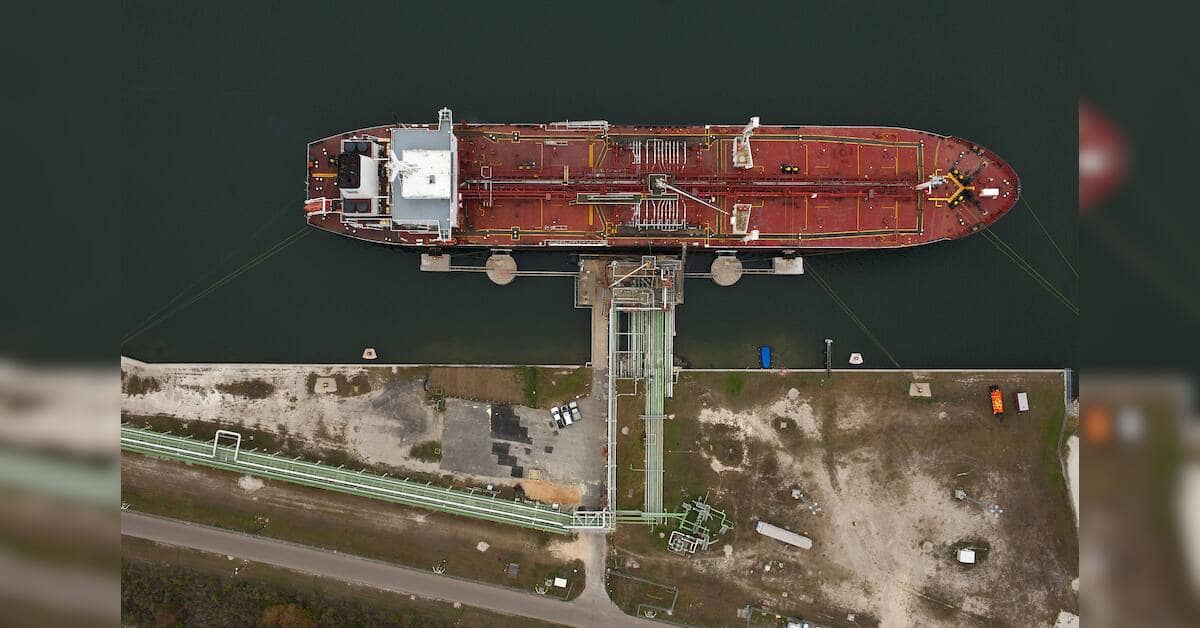
When Iran closed the Strait of Hormuz at the outbreak of regional hostilities, analysts warned of catastrophic disruptions to global energy markets, with approximately 15 million barrels of oil transiting daily through the waterway. Instead, the international oil market has proved more resilient than feared, with crude prices stabilizing around $100 per barrel—elevated from pre-conflict levels but far below the doomsday scenarios that had been predicted.
Saudi Arabia and neighbouring Gulf oil producers responded by rapidly deploying alternative transportation infrastructure, reopening dormant pipeline capacity and establishing new export corridors to bypass the strategic chokepoint. When Iran and allied militant groups targeted these routes, both the exporting nations and the United States military identified and activated backup systems in what has become an intricate logistical operation to maintain supply chains.
The ability to sustain adequate global oil supplies has paradoxically weakened Iran's negotiating position while its own economy faces mounting pressure from a US naval presence in the region and intensified international sanctions. However, the reliance on costly workarounds and parallel infrastructure represents a significant ongoing burden for Gulf producers, driving up operational expenses and complicating regional energy economics.
Industry analysts note that while current supply levels remain sufficient to meet global demand, the sustainable viability of these alternative routes and their long-term economic implications continue to present challenges for major oil-exporting nations. The situation underscores both the fragility and adaptability of critical global energy infrastructure.