Politics · India Bureau
Gulf Pipeline Projects Could Bypass Strait of Hormuz by 2031
Major infrastructure development across the Middle East, North Africa and Turkey region could significantly reduce dependence on the strategically critical Strait of Hormuz for energy exports. The transformation reflects broader regional investment in alternative transport routes.
LSN India ·
A wave of pipeline infrastructure projects across the Middle East, North Africa and Turkey could fundamentally reshape global energy logistics within the decade, according to senior banking officials tracking regional development.
The region currently has approximately $872 billion in individual infrastructure projects in active development stages, part of a larger $1.4 trillion pipeline of planned investments. These initiatives are expected to create alternative routes for energy transportation that would reduce reliance on the Strait of Hormuz, one of the world's most critical chokepoints for global oil and gas supply.
The strategic implications are significant for India and other energy-dependent economies in South Asia, which rely heavily on hydrocarbon imports transiting through the narrow waterway between Iran and Oman. Alternative pipeline networks could provide more diversified supply routes and potentially insulate markets from geopolitical disruptions affecting the strait.
Development timelines suggest these infrastructure upgrades could become operational within the current decade, with financial institutions and regional governments increasingly prioritizing projects that enhance energy security and economic resilience. The investments span multiple countries and represent a coordinated regional approach to infrastructure modernization.
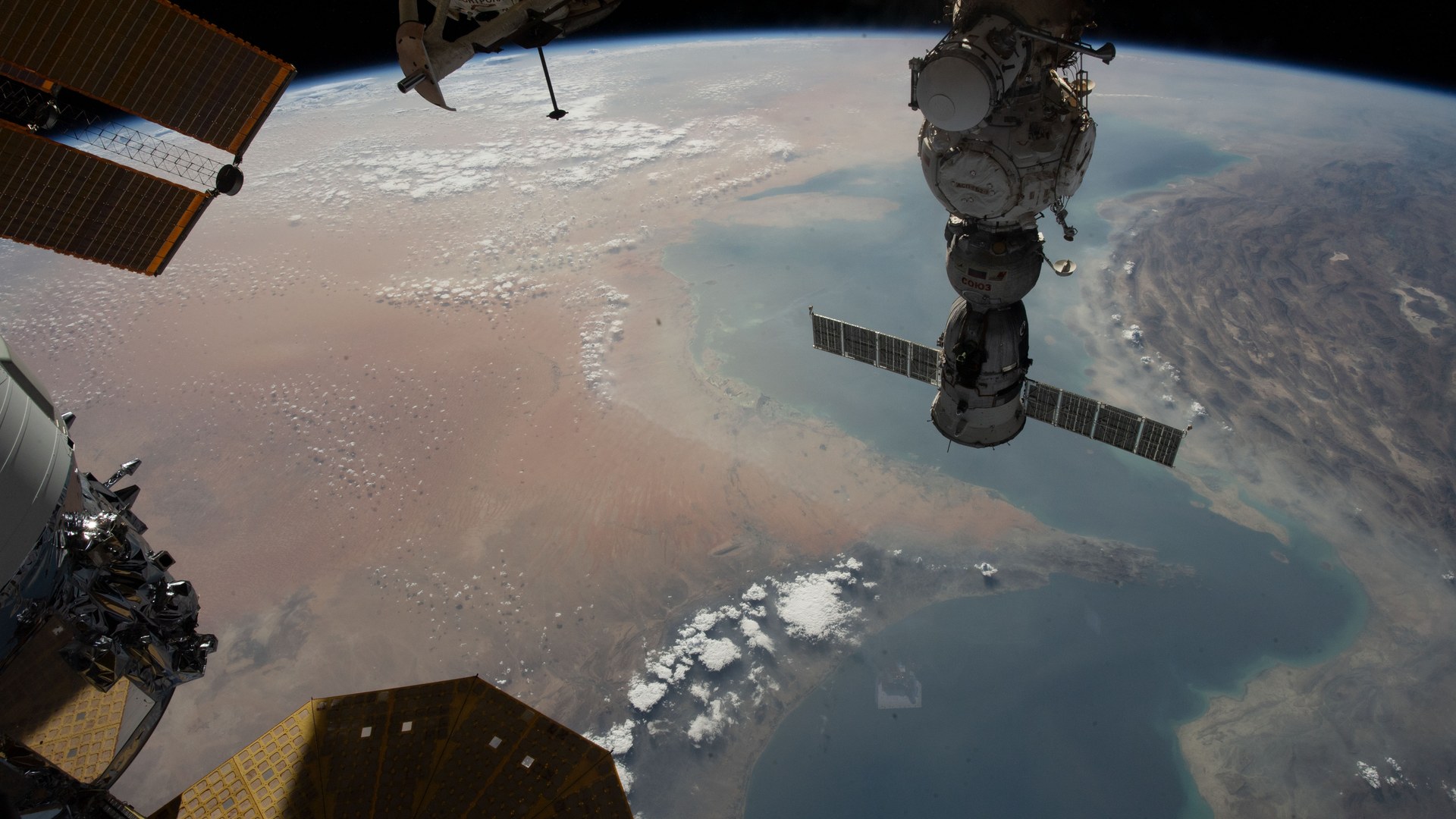
Photo: The Strait of Hormuz, linking the Persian Gulf and the Gulf of Oman, seen from the International Space Station, August 2023. NASA via Wikimedia Commons (public domain).