World · World News Bureau
Gulf states forge new security partnerships amid regional tensions
Six months into escalating conflict in Iran, Gulf nations are developing interconnected defence arrangements that work alongside rather than against traditional US security commitments. The shift signals a recalibration of Middle Eastern geopolitics as regional powers seek greater self-reliance.
LSN World News ·
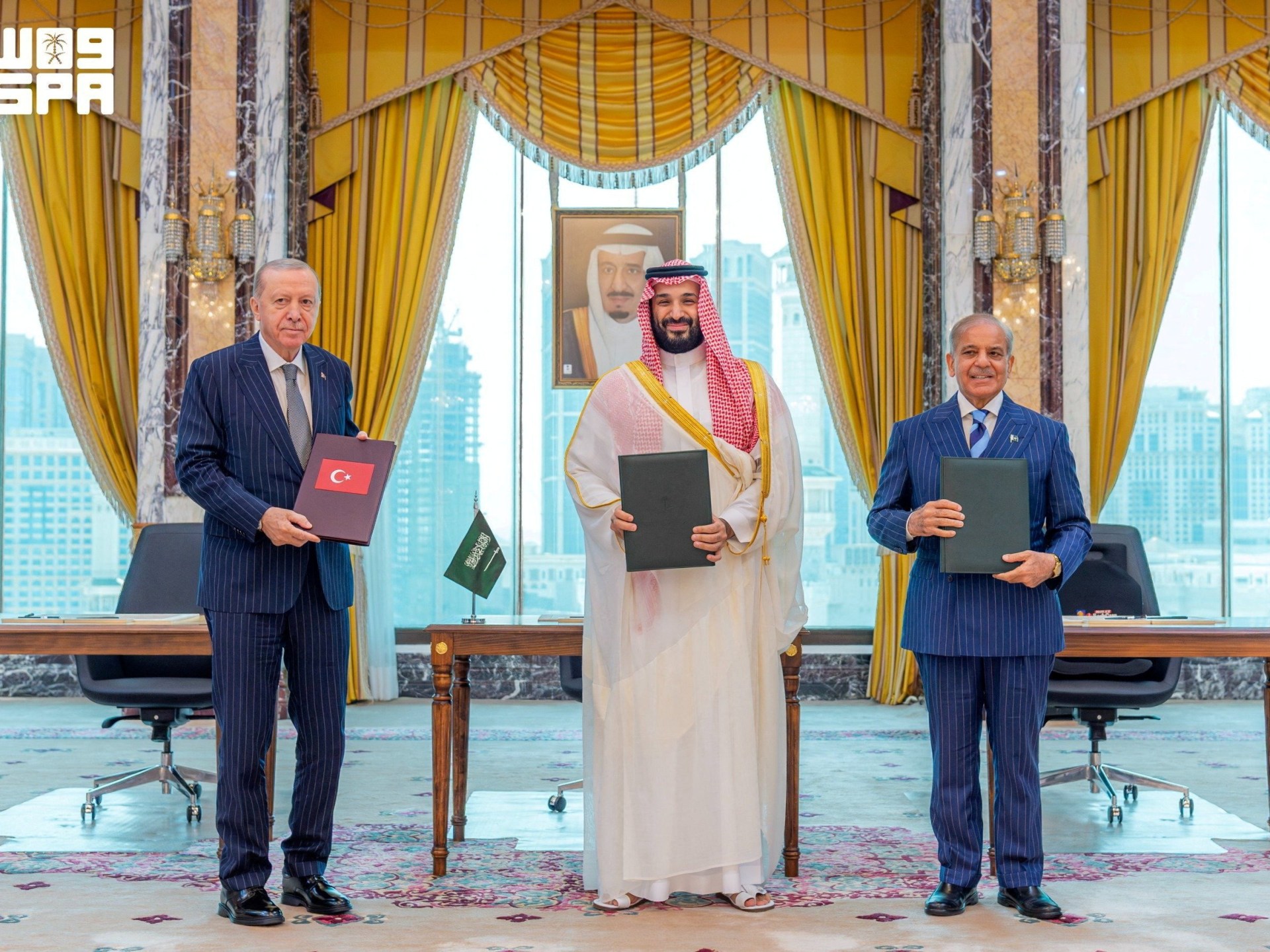
Gulf Cooperation Council states and their partners are constructing a layered security framework designed to address emerging threats while maintaining established alliances with Western powers. The emerging architecture reflects growing recognition that regional security challenges require coordinated multilateral responses beyond traditional bilateral defence agreements.
These overlapping partnerships encompass military cooperation, intelligence sharing, and coordinated maritime operations among Gulf states and regional allies. Rather than diminishing the US security presence, the new arrangements are intended to complement American commitments while enabling greater regional agency in addressing shared security concerns.
The development comes as tensions remain elevated following six months of conflict centred on Iran. Gulf nations have sought to strengthen their defensive capabilities and improve coordination mechanisms, recognising that sustained instability poses significant economic and security risks to the region's prosperity and stability.
Analysts suggest the emerging security architecture reflects a maturation of Gulf state strategy, balancing the need for continued great power engagement with aspirations for greater regional autonomy. The model appears designed to create redundancy in security arrangements while avoiding the complications that could arise from choosing between competing international partnerships.