World · World News Bureau
Gulf States Navigate Delicate Balance as Trump Tightens Iran Pressure
Regional powers face a dilemma as Washington intensifies its approach toward Tehran: pursue stricter sanctions or risk military escalation that could destabilize the Gulf.
LSN World News ·
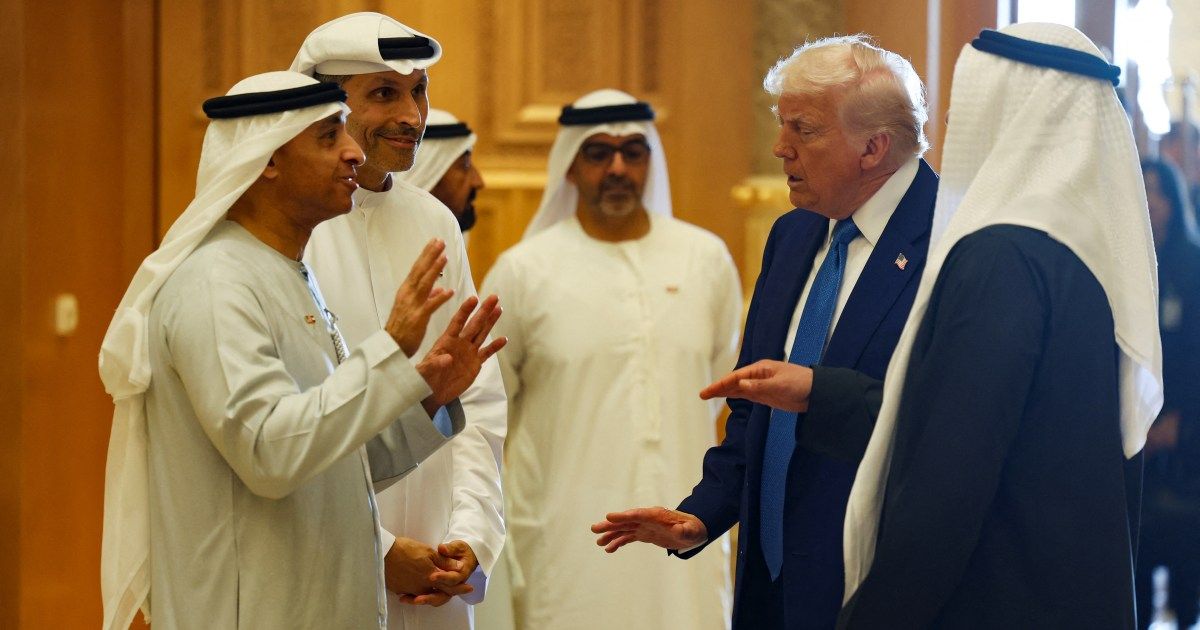
Gulf Cooperation Council states are grappling with competing strategic priorities as the Trump administration ramps up pressure on Iran through economic and diplomatic measures. While Washington advocates for tougher sanctions regimes, regional governments remain acutely aware that escalation could trigger military confrontation with serious consequences for their own security and economic interests.
The pressure presents a complex calculus for countries including Saudi Arabia, the United Arab Emirates, and Kuwait. These nations have experienced direct threats from Iranian-backed militias and proxy forces, yet they also maintain significant trade relationships and maritime interests vulnerable to disruption if tensions spiral into open conflict.
Gulf leaders are cautiously evaluating the sustainability and effectiveness of maximum pressure strategies compared to potential risks of Iranian retaliation through missile strikes, drone attacks, or maritime disruptions in one of the world's most critical shipping lanes. Some regional analysts question whether additional sanctions alone can modify Iranian behavior without triggering a dangerous response cycle.
The diplomatic positioning reflects deeper concerns about regional stability and the potential for miscalculation. Gulf states have signaled openness to coordinated international pressure but remain hesitant to fully align with approaches that could invite direct Iranian military action against their territory or economic infrastructure.
As the situation evolves, Gulf capitals are consulting with international partners and assessing multiple scenarios, seeking to balance support for broader Western strategy with protection of their own strategic interests and civilian populations.