Business · Philippines Bureau
Gulgol: Sacred Ilocano ritual marks grief's journey toward healing
Across Northern and Central Luzon, Ilocano communities observe gulgol, an ancient post-burial ceremony where families visit rivers or the sea to cleanse themselves spiritually and begin their mourning journey. The ritual, performed a day after a loved one's funeral, blends practical purification with deep cultural meaning.
LSN Philippines ·
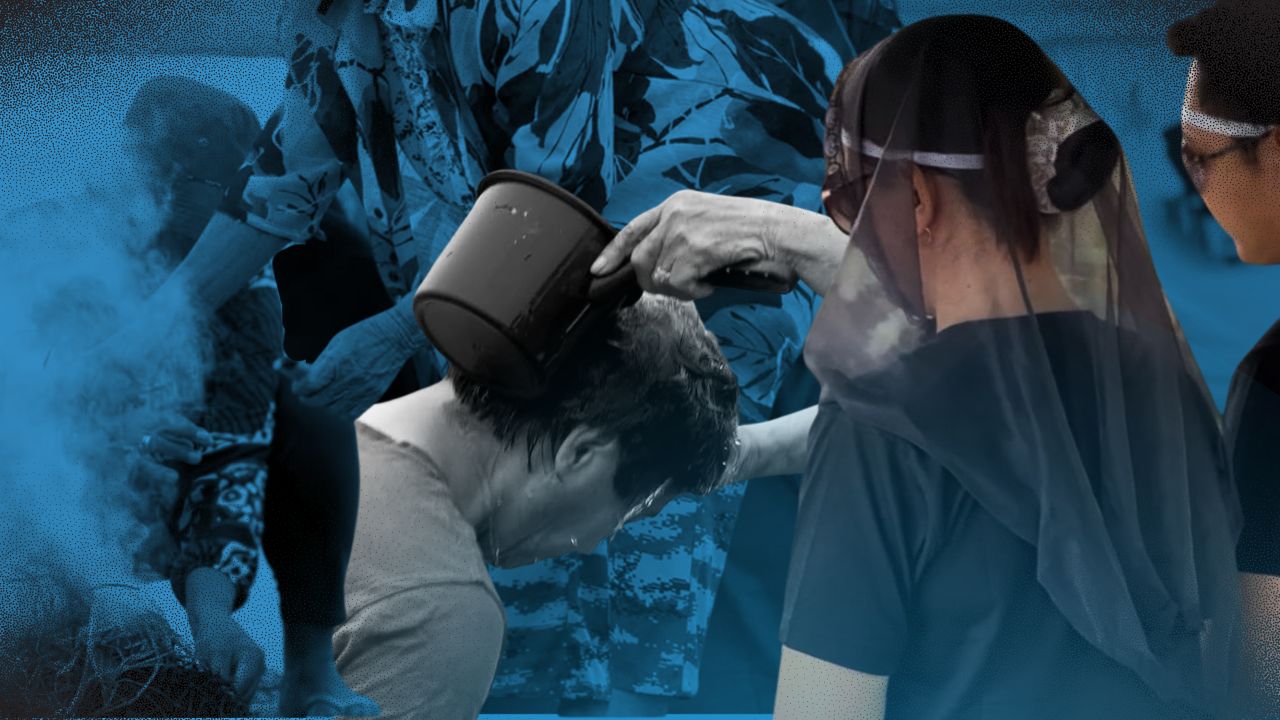
For Ilocano families throughout the Ilocos Region and surrounding provinces, the funeral rites do not conclude at the graveside. Instead, mourning enters a distinct phase as bereaved relatives gather at waterways the following day to participate in gulgol, a traditional cleansing ceremony deeply woven into the region's cultural and spiritual fabric.
The ritual typically involves families traveling to nearby rivers, streams, or coastal areas where they perform ablutions intended to wash away the spiritual residue associated with death and grief. Participants believe the practice serves multiple purposes: physical cleansing, spiritual purification, and emotional transition from acute mourning toward gradual healing and acceptance of loss.
Gulgol represents more than mere hygiene or superstition; it embodies the Ilocano understanding of grief as a process requiring communal participation and ritual marking. The ceremony reinforces family bonds during vulnerability while providing a structured framework through which communities acknowledge death's reality and support one another through bereavement.
Anthropologists and cultural scholars recognize gulgol as part of a broader constellation of post-funeral practices found across Philippine indigenous and regional communities. Such rituals continue to hold significance for many Ilocano families, particularly in rural areas where traditional observances remain integral to community life and family identity.