World · World News Bureau
Guterres pushes quiet diplomacy amid mounting global crises
UN Secretary-General Antonio Guterres, the Portuguese former prime minister, has made patient negotiation his hallmark approach to resolving international conflicts. Yet his strategy's effectiveness ultimately depends on whether world leaders are prepared to act on agreements reached behind closed doors.
LSN World News ·
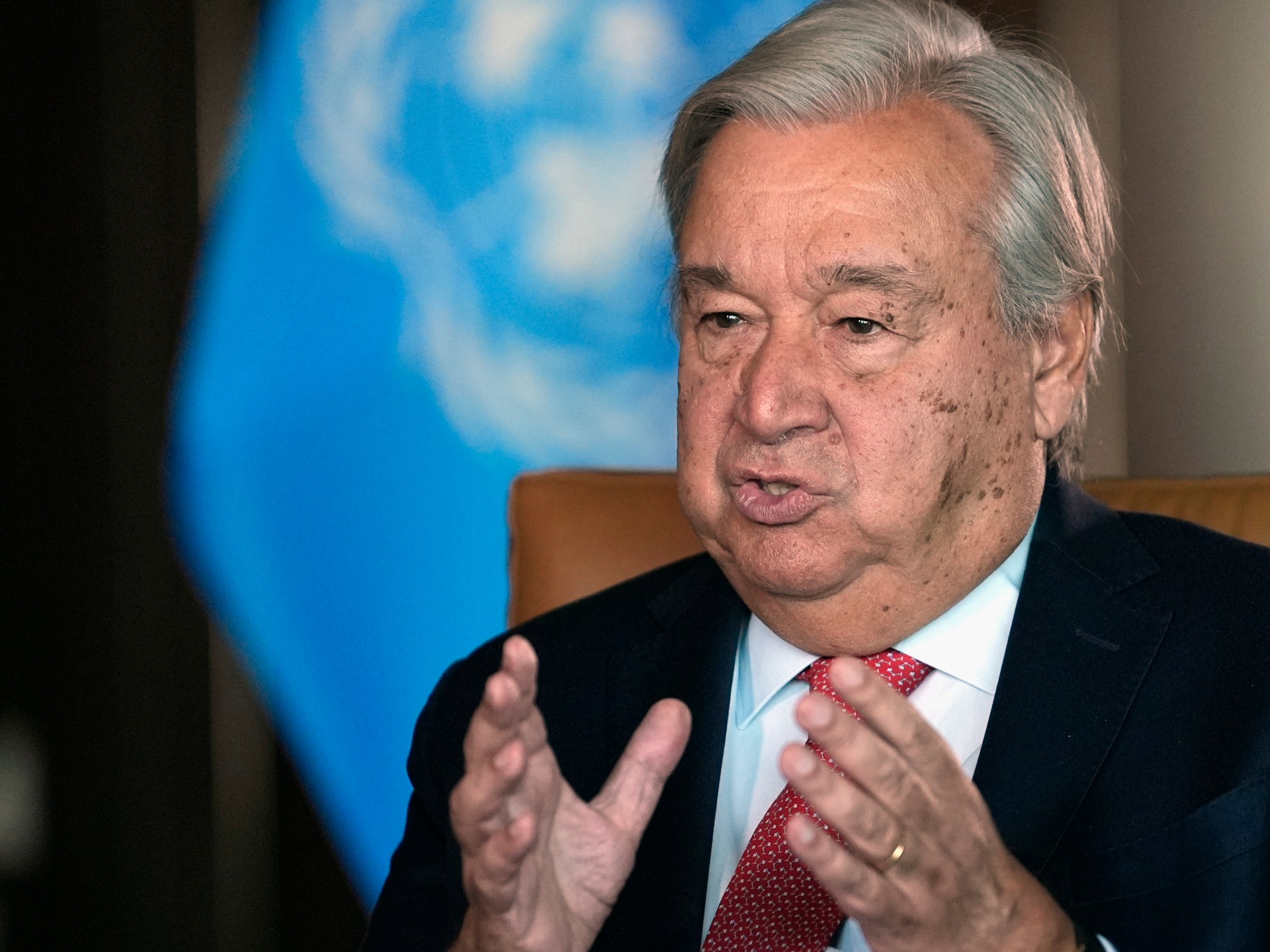
Since taking the helm of the United Nations, Guterres has championed a diplomatic style emphasizing sustained engagement and discrete dialogue over public confrontation. Drawing on his background in Portuguese politics, the Secretary-General has attempted to broker settlements through methodical talks with key stakeholders, avoiding the inflammatory rhetoric that often characterizes international disputes.
This approach reflects a calculated philosophy: that meaningful progress on global challenges requires building consensus quietly before announcing results publicly. Guterres has applied this template across multiple fronts, from regional conflicts to climate negotiations, positioning himself as a neutral arbiter willing to invest time in complex mediation efforts.
However, the limits of quiet diplomacy have become increasingly evident as geopolitical tensions persist. The strategy's success hinges not on diplomatic skill alone, but on the political will of nations to implement agreements and compromise when international cameras are not focused on negotiations. Without genuine commitment from major powers, even the most patient diplomatic efforts risk producing agreements that remain on paper without tangible impact.
Guterres' tenure has thus illustrated a central paradox of multilateral diplomacy: the most effective behind-the-scenes negotiations require follow-through from leaders whose domestic political interests may diverge sharply from global consensus. The UN chief's challenge remains convincing world powers that patient engagement serves their long-term strategic interests.