Technology · World News Bureau
Hackers hijack Optimizely tool to plant card-skimming malware on 178 major websites
Visitors to sites including Zoom, the BBC, CNN, HSBC and Salesforce were served code that stole card details and cryptocurrency, researchers say.
LSN World News ·
<p>Attackers exploited a flaw in the website testing platform Optimizely to plant malicious code on the websites of at least 178 organisations, exposing visitors to software designed to steal payment card details and cryptocurrency, security researchers and the company said.</p>
<p>The attack was uncovered by security researcher Scott Helme of the firm Report URI, who said the malicious JavaScript was served to visitors on 16 November. Affected organisations included Zoom, the BBC, CNN, Salesforce, GitLab, IKEA, HSBC, Equifax, Air France-KLM and Ledger, according to Report URI, as reported by Help Net Security, BleepingComputer and SecurityWeek.</p>
<p>Optimizely confirmed that "an unauthorized party exploited a vulnerability in Experimentation" and used it to add malicious code to some customer projects. The company said it had fixed the vulnerability, removed the injected code and taken steps to secure affected accounts.</p>
<p>Many large websites load a small Optimizely script to run experiments on their pages. The attacker inserted a loader into a custom code field in customer projects, so the malicious code was delivered from Optimizely's own servers and was treated by browsers as trusted, the researchers said. Report URI found the code in 188 of the 1,611 Optimizely scripts it checked and said the true number of victims was likely higher.</p>
<p>According to the researchers, the malware swapped cryptocurrency wallet addresses on web pages for the attacker's own, captured card numbers, expiry dates and security codes typed into site forms, and collected cookies and screenshots. iPhone and iPad users were also served two known iOS exploit kits. SecurityWeek reported that about 7,000 US dollars in cryptocurrency had reached the attacker by Monday evening, citing Report URI, while threat intelligence firm Hudson Rock said successful exploitation of iPhones had not been demonstrated.</p>
<p>Banks and financial companies formed the largest group of affected organisations, with 32 victims, Help Net Security reported. Cards entered through separate hosted payment frames, such as those used by major payment processors, could not be read by the skimmer, according to The Hacker News. It is not yet known how many card numbers were exposed.</p>
<p>Users who entered card details or copied cryptocurrency addresses on affected sites around 16 November are advised to check their accounts for unusual activity.</p>
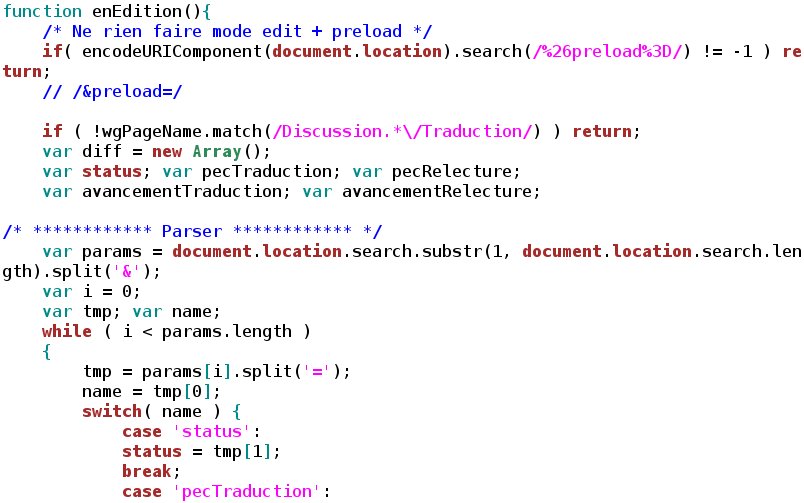
<p><em>Illustrative file image: JavaScript source code. Romainhk via Wikimedia Commons, CC BY-SA 3.0</em></p>