World · Malaysia Bureau
Hai Peng Kopitiam: Eight Decades of Coffee and Community in Chukai
The historic Hai Peng kopitiam in Chukai has served as a gathering place for generations of Malaysians since its establishment in 1940. Despite the passage of decades, the institution continues to draw patrons from diverse backgrounds to share coffee, toast, and conversation at its communal tables.
LSN Malaysia ·
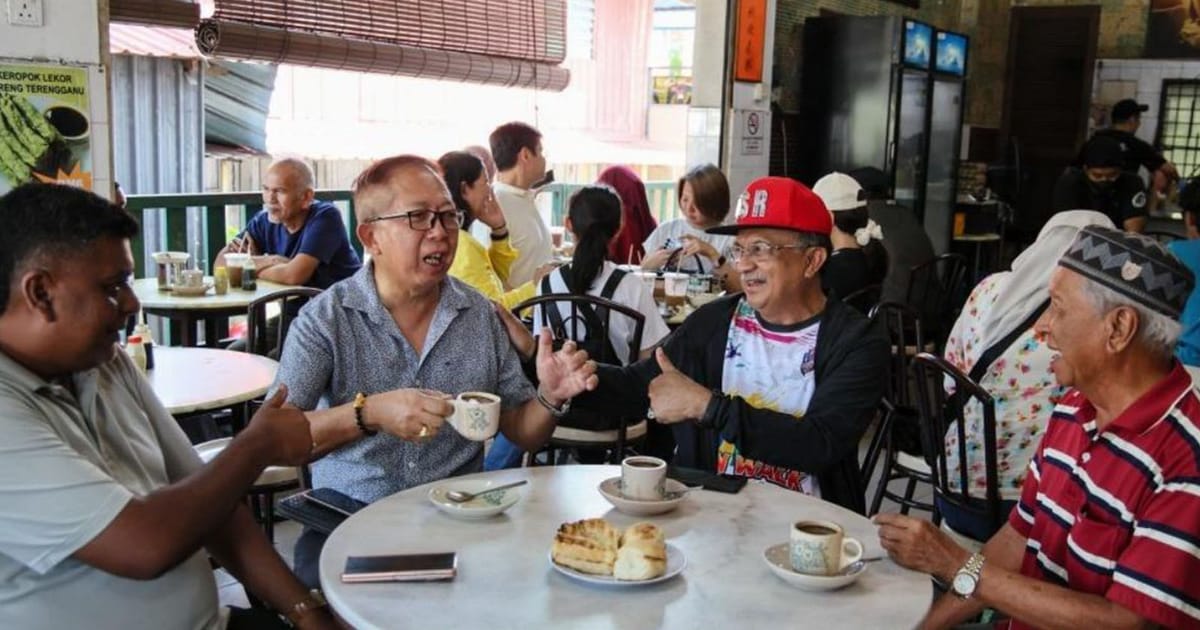
Located in the heart of Chukai, Hai Peng kopitiam has maintained its role as a social cornerstone of the community for 86 years, embodying the inclusive spirit that has defined Malaysia's multicultural society. The establishment has witnessed the nation's transformation from colonial times through independence and into the modern era, remaining largely unchanged in its approach to hospitality and service.
The kopitiam's enduring appeal lies in its commitment to the traditional Malaysian coffeehouse experience. Patrons of all backgrounds continue to gather at the shared tables, where the simple offerings of kopi and toast facilitate the kind of casual social interaction that has become increasingly rare in contemporary urban spaces. The venue serves as a meeting point where business is conducted, friendships are forged, and community bonds are strengthened across generational lines.
Hai Peng's longevity reflects broader patterns in Malaysian culture, where such establishments have long served functions beyond mere commerce. The kopitiam functions as an informal public square, a place where ordinary citizens engage in daily discourse and maintain the social fabric of their neighbourhood. In an age of rapid modernisation and digital connectivity, institutions like Hai Peng represent continuity with Malaysia's heritage and values.
The kopitiam's persistence into the 21st century demonstrates the sustained demand for authentic communal spaces in Malaysian society. As the venue marks more than eight decades of operation, it stands as a testament to the enduring appeal of the kopitiam culture and the importance of preserving such institutions for future generations.