Business · Vietnam Bureau
Hai Phong promotes inland waterways to ease port congestion
Vietnam's major port city is prioritizing inland waterway transport as a strategic solution to reduce road traffic and improve cargo distribution. The initiative aims to leverage river and canal networks for moving bulk commodities between seaports and industrial zones.
LSN Vietnam ·
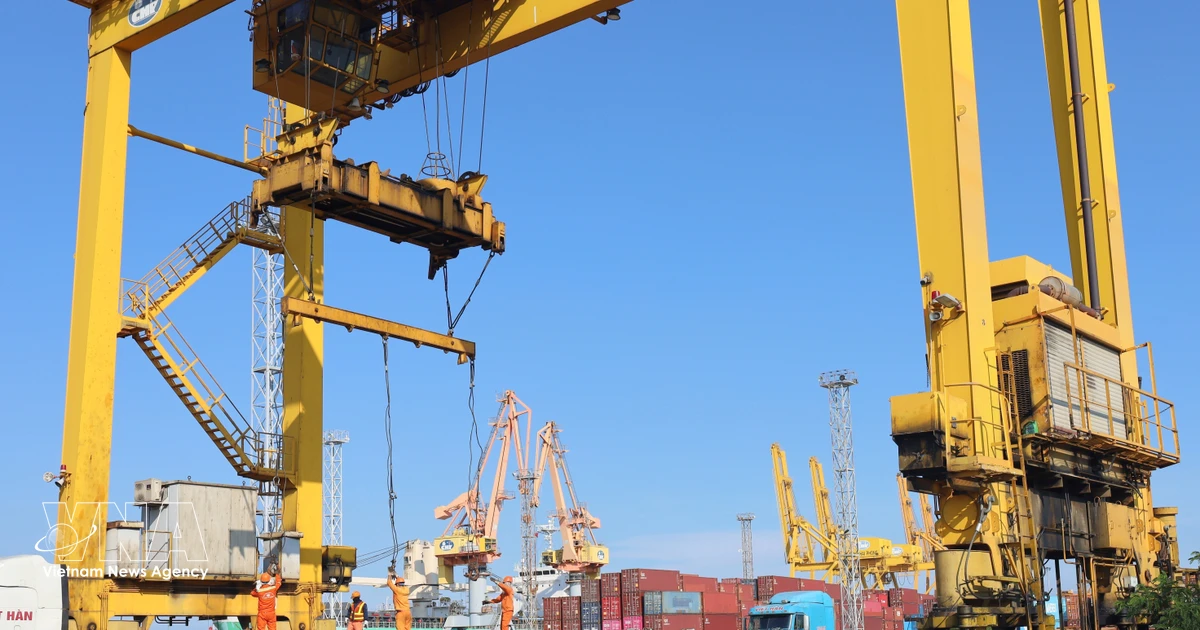
Hai Phong's Maritime Administration has identified inland waterways as a critical component of the city's logistics infrastructure, capable of transporting significant volumes of coal, agricultural goods, minerals, stone and cement. By shifting bulk cargo from roads to waterways, the port city seeks to alleviate congestion on routes connecting its seaports to industrial parks and distribution centers.
The push to expand inland waterway transport reflects broader efforts to create a more efficient and sustainable cargo handling system. Road networks in the region have faced increasing strain from growing trade volumes, particularly as manufacturing activity in northern Vietnam continues to expand and export demand rises.
Inland water transport offers economic advantages beyond congestion relief. The mode is typically more cost-effective for moving heavy, non-perishable goods over medium distances and produces lower emissions per unit of cargo compared to road freight. Officials view the strategy as complementary to Hai Phong's existing port infrastructure and maritime capabilities.
The city's focus on integrated logistics solutions aligns with Vietnam's broader ambitions to strengthen its position as a regional trade hub. By optimizing multiple transport corridors—marine, rail and road—Hai Phong aims to improve competitiveness while supporting sustainable development objectives.