World · Sri Lanka Bureau
Half of MOH divisions remain classified as high dengue risk zones
Health authorities have identified 50 Medical Officer of Health (MOH) areas across the country continuing to face elevated dengue transmission risk. The sustained threat underscores ongoing challenges in controlling the mosquito-borne disease.
LSN Sri Lanka ·
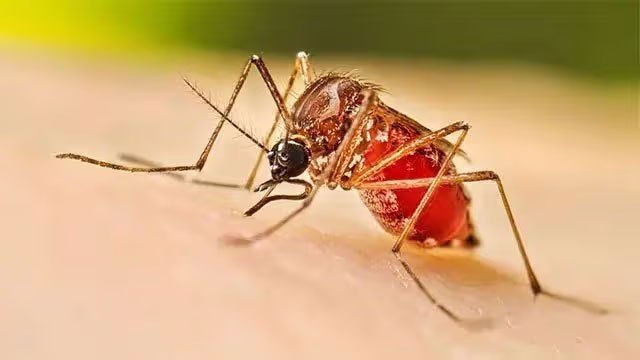
Fifty Medical Officer of Health divisions remain classified as high-risk zones for dengue transmission, according to health sector assessments. The persistence of these risk designations indicates that dengue continues to pose a significant public health concern across multiple regions of the country.
The classification of MOH areas as high-risk reflects epidemiological data tracking disease incidence, vector prevalence, and environmental conditions conducive to mosquito breeding. These designations guide resource allocation and inform public health interventions at the local level.
Health officials have emphasized the importance of sustained vector control measures, including surveillance operations and community engagement initiatives aimed at reducing Aedes mosquito populations. Residents in affected areas have been advised to maintain environmental hygiene and eliminate potential breeding sites around their homes and workplaces.
The Ministry of Health continues to monitor the dengue situation across all districts and has urged the public to seek prompt medical attention for symptoms including fever, headache, muscle pain, and rash. Early diagnosis and appropriate treatment remain critical in preventing severe disease outcomes.