Politics · India Bureau
Hall and Woodford win Nobel Economics Prize for expectations research
American economists Robert E Hall and Michael Woodford have been awarded the 2026 Nobel Prize in Economic Sciences for groundbreaking research on how consumer and business expectations influence inflation, spending and interest rates. Their work has fundamentally reshaped how central banks and governments respond to economic crises.
LSN India ·
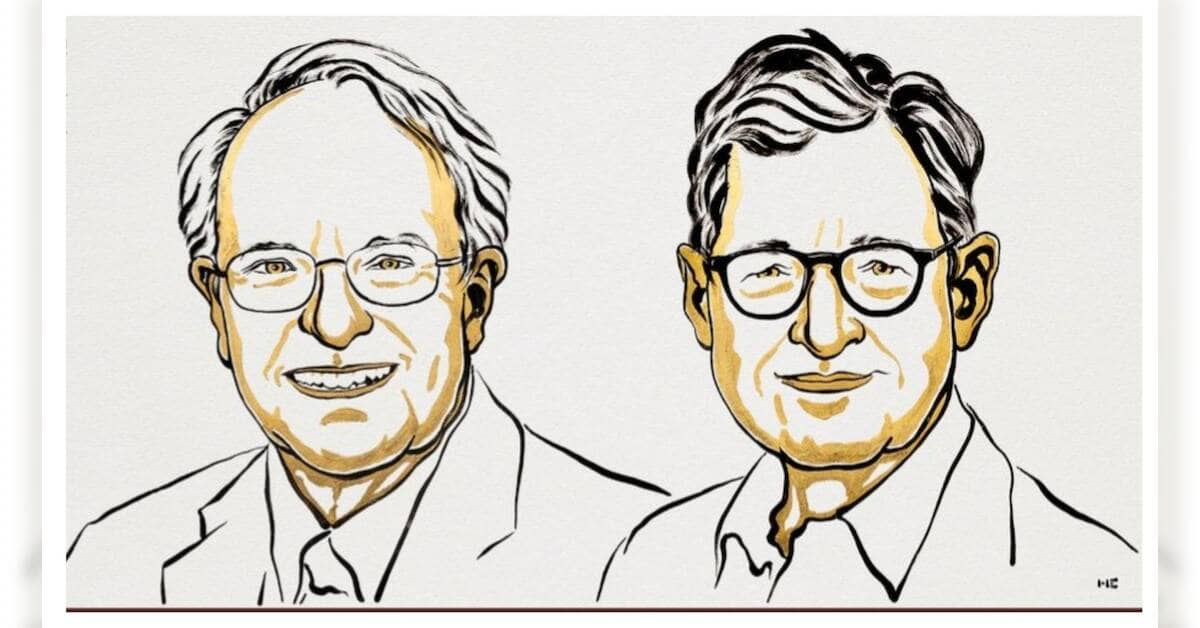
The Nobel Committee recognized Hall and Woodford for developing economic theories that place expectations at the centre of macroeconomic analysis. Their research demonstrates that how households and firms anticipate future economic conditions—including inflation and employment—directly influences their current spending and investment decisions, which in turn affects the broader economy.
Hall's contributions focused on understanding consumption patterns and how expectations about future income shape household behaviour. Woodford's work emphasised the role of forward-looking expectations in monetary policy transmission, showing that central bank communications about future interest rate decisions can be as important as actual rate changes in stabilizing economies.
These insights have had profound practical implications for policymakers worldwide. Central banks now place greater emphasis on managing inflation expectations through transparent communication strategies, recognising that controlling what people believe about future price levels is crucial for maintaining price stability. This shift in approach has influenced monetary policy frameworks across developed and emerging market economies, including India's Reserve Bank.
The framework developed by Hall and Woodford has also improved policymakers' ability to respond to economic shocks. By understanding how expectations operate, governments and central banks can now better calibrate their interventions during crises, potentially reducing the severity and duration of downturns. The research has proven particularly relevant for emerging economies navigating volatile capital flows and inflation pressures.