Business · Vietnam Bureau
Hanoi charts economic growth path seven decades after independence
Seven decades after emerging from war in 1954, Vietnam's capital has transformed into a dynamic economic center, recording nearly 1.3 quadrillion VND in gross regional domestic product during the first nine months of 2026. The milestone underscores Hanoi's sustained momentum as it pursues modernization across multiple sectors.
LSN Vietnam ·
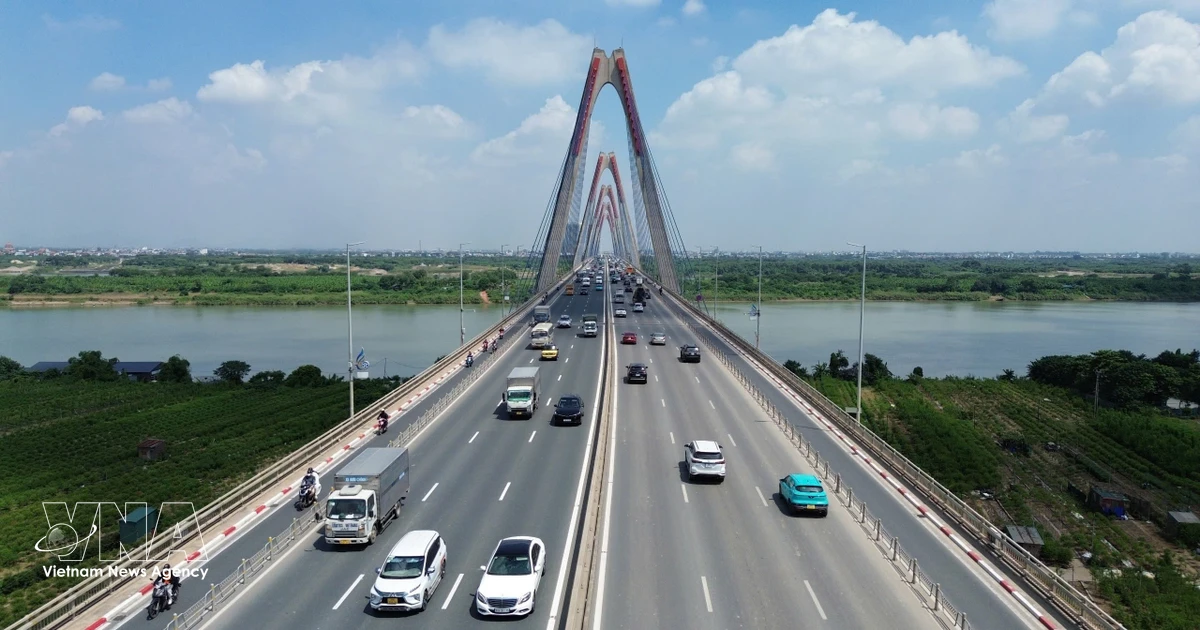
Hanoi's economic trajectory reflects a marked shift from a war-torn capital to a thriving regional hub. The city's gross regional domestic product of nearly 1.3 quadrillion VND in the opening nine months of 2026 demonstrates the strength of its diversified economy and continued capacity for growth amid broader regional development trends.
Infrastructure modernization has emerged as a key driver of the capital's forward momentum. The city has expanded its electric bus fleet across additional routes, deploying 28 new vehicles as part of broader efforts to reduce emissions and improve public transportation. These initiatives align with Vietnam's wider commitment to sustainable urban development and green technology adoption.
Hanoi's innovation capacity has also gained recognition on the national stage. The city secured the top ranking in the 2026 Provincial Innovation Index, signaling the strength of its research institutions, technology sector, and business environment. This achievement positions Hanoi as a center for high-value economic activity and talent development across Southeast Asia.
The convergence of robust economic performance, infrastructure investment, and innovation leadership suggests Hanoi is consolidating its role as a driver of Vietnam's continued development. As the capital navigates the challenges and opportunities of the coming decades, these indicators point toward sustained expansion and modernization across the city's economic landscape.