Business · Vietnam Bureau
Hanoi orders residents out of Muong Thanh's over-built flats by end-2027
The city has set deadlines to fix land and building violations at 12 projects where the number of apartments ballooned from about 6,800 permitted to nearly 25,000.
LSN Vietnam ·
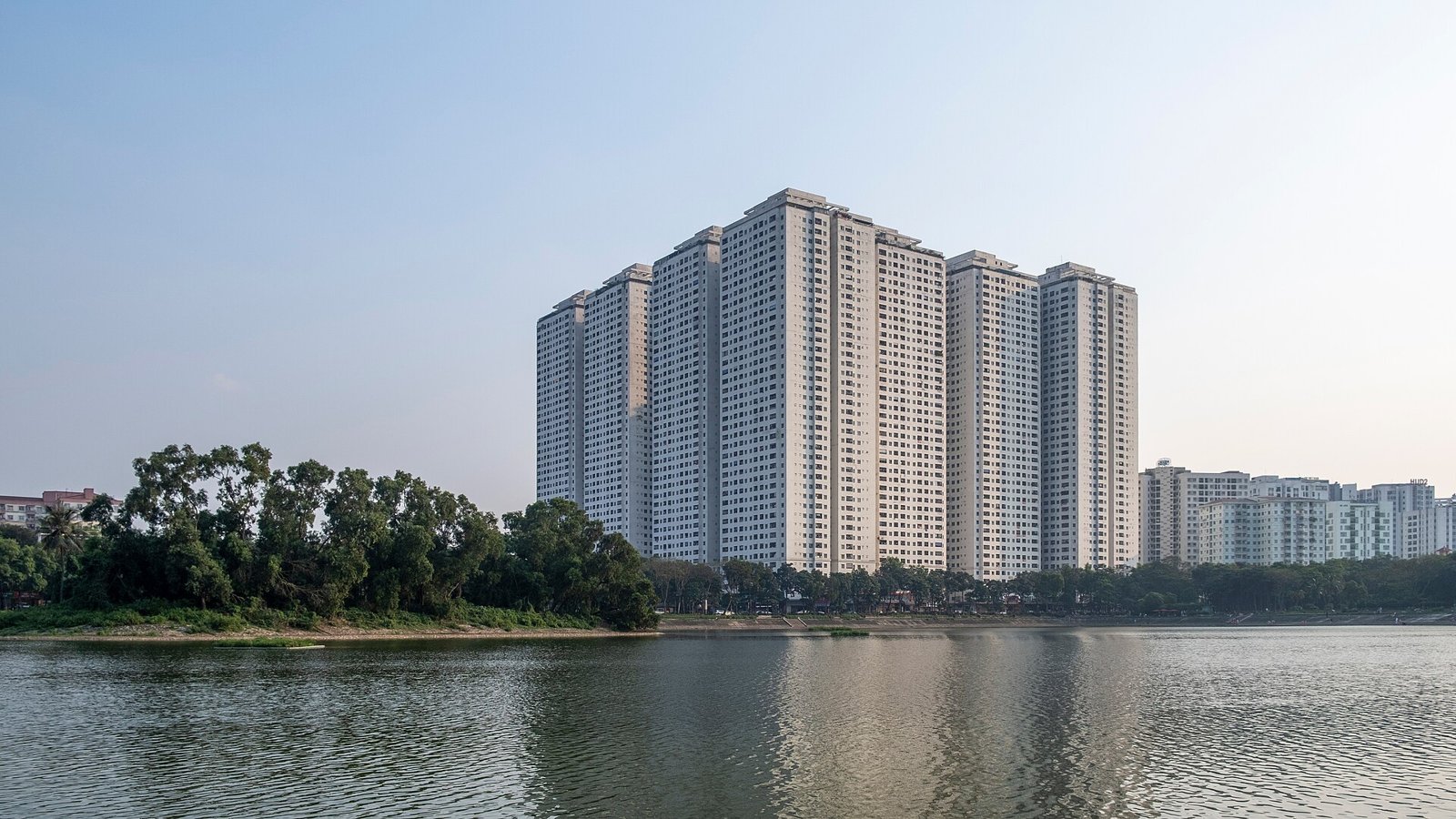
<p>Hanoi has given itself until the end of 2027 to move residents out of apartments that must be torn down or handed back to public use at 12 housing projects linked to Muong Thanh Group, under a plan approved by the city government on 17 November.</p>
<p>Decision 6301, signed by Vice Chairman of the Hanoi People's Committee Duong Duc Tuan, sets out how the city will carry out a resolution adopted by the Hanoi People's Council in late October. That resolution created special mechanisms to deal with long-running land and construction violations at the projects.</p>
<p>According to figures cited with the resolution, the 12 projects were licensed or planned for 6,759 apartments but now hold 24,943, an excess of 18,184 units.</p>
<p>The projects named in the plan are CT6 Kien Hung - Bemes, the Dai Thanh mixed-use complex, CT5 Tan Trieu, the Xa La housing area, CT11 and CT12 Kim Van - Kim Lu, VP3, VP5 and VP6 Linh Dam, and HH1 to HH4 Linh Dam.</p>
<p>Under the timetable, the developer must draw up and publish relocation, compensation and support plans for each project in the second quarter of 2027 for approval by local commune or ward authorities. Agreements and compensation payments are due in the third quarter, with handover of flats and relocation, including enforced relocation where needed, in the fourth quarter. Demolition of units that cannot stay, return of podium and community space to public use, and renovation of the buildings must be finished by 31 December 2028.</p>
<p>Compensation will be based on market prices set by an appraisal council led by the city's Department of Finance. Issuing or revoking ownership certificates for affected flats will begin in the first quarter of 2027 and finish by the fourth quarter of 2028.</p>
<p>The city said the state budget will not pay costs that fall on the developer, including demolition and enforcement. Payments to displaced residents take priority over the developer's obligation to repay illegal gains, which for parts of the buildings allowed to remain will be set at half of the construction value of the extra floor area. If the developer fails to demolish on time, local authorities will carry out the work at its expense. Residents keep the right to file complaints or lawsuits.</p>
<p>Sources: Tuoi Tre, VietNamNet.</p>