World · Bangladesh Bureau
Haors transform as seasonal waters recede across eastern Bangladesh
The distinctive wetland ecosystems of Bangladesh's haor region are undergoing their characteristic seasonal transition as autumn advances. The receding waters expose vast expanses of marshland, reshaping the landscape that defines life for millions across the region.
LSN Bangladesh ·
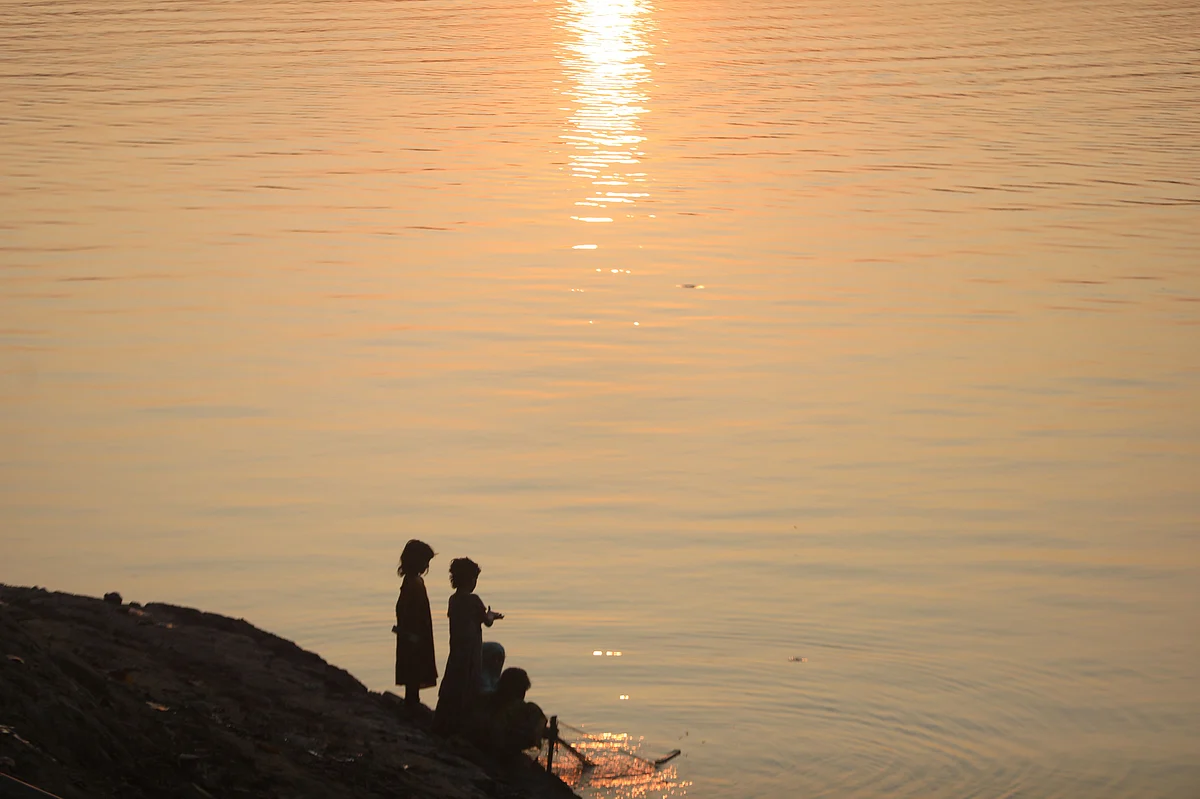
The haors of eastern Bangladesh present a familiar tableau as the late autumn season progresses, with water levels dropping steadily across the sprawling wetland basins. This annual cycle brings visible transformation to the landscape, as the shallow, interconnected water bodies that dominate the region during monsoon months gradually diminish, revealing the muddy terrain beneath.
The seasonal shift carries profound implications for the communities dependent on these ecosystems. Fishing communities adjust their practices as water depths change, while farmers prepare the exposed haor beds for cultivation during the approaching dry season. Local populations have developed centuries of traditional knowledge around these predictable transformations, timing agricultural and aquacultural activities to align with the water cycle.
The haor region, spanning districts including Sunamganj, Sylhet, Kishoreganj, and Brahmanbaria, sustains livelihoods for millions through fishing, rice cultivation, and livestock rearing. The seasonal variation in water levels creates distinct ecological zones that support diverse species of fish, waterfowl, and vegetation throughout the year.
As temperatures cool and rainfall diminishes further, the haors will continue their transition toward the dry season configuration. This natural rhythm has persisted for generations, shaping both the physical geography and the cultural practices of the region's inhabitants.