World · India Bureau
Happy Seeders Fail to Curb India's Stubble Burning Crisis
Despite the availability of mechanical solutions like Happy Seeders, India continues to grapple with widespread stubble burning across its agricultural heartland. The disconnect between technology and adoption reveals systemic challenges in tackling the seasonal pollution crisis.
LSN India ·
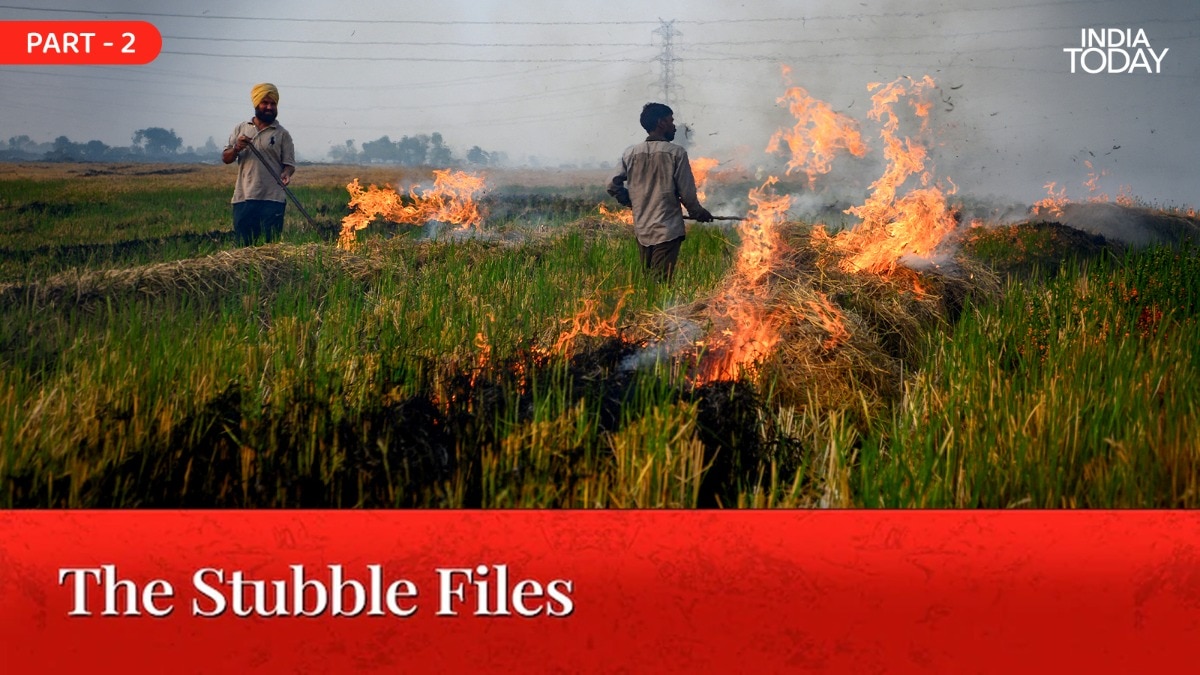
India's annual stubble burning season remains largely unabated despite the promotion of mechanical alternatives designed to eliminate the practice. The Happy Seeder, a device that mulches crop residue and simultaneously plants the next season's seeds, has been available for years yet remains underutilised across major agricultural states.
The technology addresses a core problem: the disposal of rice and wheat stubble after harvest. Farmers traditionally resort to burning residue due to time constraints between harvests and the perceived difficulty of managing large quantities of leftover biomass. Happy Seeders promise to resolve this by incorporating stubble back into the soil while seeding the next crop in one operation.
However, widespread adoption has not materialised. Key obstacles include the device's high capital cost for smallholder farmers, limited awareness in rural areas, inadequate dealer networks for maintenance and support, and scepticism about performance in varied soil conditions. State governments have offered subsidies, yet uptake remains patchy across the Indo-Gangetic Plain, where stubble burning creates severe air quality crises each autumn.
The failure to scale Happy Seeder adoption underscores a broader challenge in India's environmental management: the gap between technological solutions and ground-level implementation. Addressing stubble burning will require combining mechanisation with improved infrastructure, stronger farmer training programmes, and sustained policy commitment beyond seasonal interventions.
Agricultural experts note that complementary strategies—including crop residue collection for alternative uses and stricter enforcement of burning bans—remain essential alongside promoting mechanical solutions to reduce India's annual pollution spike.