World · India Bureau
Haridwar's Har Ki Pauri left barren as Ganges canal closure exposes waste
The sacred Har Ki Pauri ghat in Haridwar lies stripped of water for 18 days during annual canal maintenance, revealing piles of discarded clothing and debris instead of the revered river waters that normally attract thousands of pilgrims.
LSN India ·
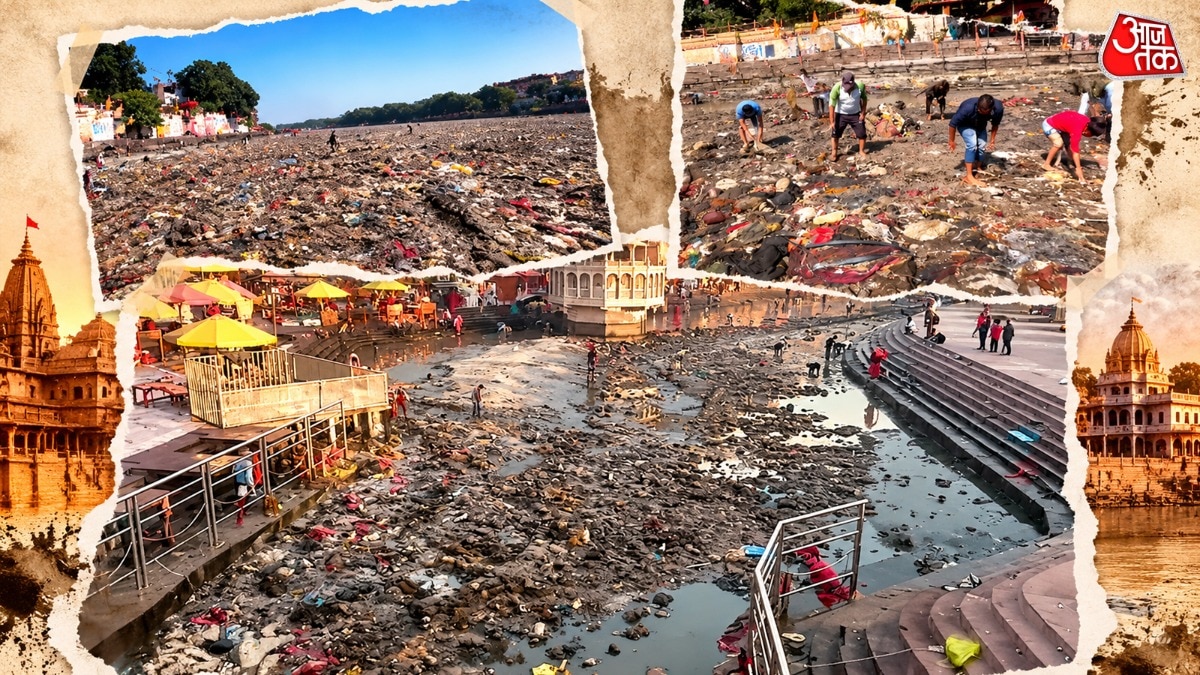
The iconic Har Ki Pauri in Haridwar presents an unusual and unsettling sight this October, with the absence of Ganges water exposing accumulated waste and abandoned garments on the riverbed. The phenomenon results from the annual closure of the Ganges canal system for routine maintenance and cleaning operations, which runs for an 18-day period.
The temporary drainage has prompted multiple videos from the pilgrimage site, capturing heaps of discarded clothing, footwear, and other refuse that accumulate at the sacred ghat throughout the year. The imagery has drawn attention to sanitation challenges at one of India's most visited religious destinations, which typically hosts hundreds of thousands of devotees annually, particularly during significant Hindu festivals.
Har Ki Pauri, also known as Har-ki-Pauri, holds profound spiritual significance in Hinduism as the spot where pilgrims believe the divine nectar of immortality dripped during a celestial battle. The site is particularly crowded during the Kumbh Mela festival and other auspicious occasions.
Authorities conduct the annual canal closure to facilitate infrastructure maintenance and sediment removal, essential for ensuring the proper functioning of irrigation and water management systems that serve the region. The maintenance window, though necessary for operational efficiency, temporarily disrupts the aesthetic and spiritual experience of visitors to the sacred site.
The exposed conditions serve as a reminder of ongoing challenges related to waste management at major pilgrimage centers across India, where the volume of visitors often strains existing sanitation infrastructure and environmental conservation efforts.