World · Singapore Bureau
Harmful algal bloom mars Thailand's coastal tourism appeal
A surge in plankton blooms has turned popular Thai beach destinations an unsightly green, threatening the country's vital tourism sector. Scientists link the phenomenon to warming ocean temperatures driven by climate change.
LSN Singapore ·
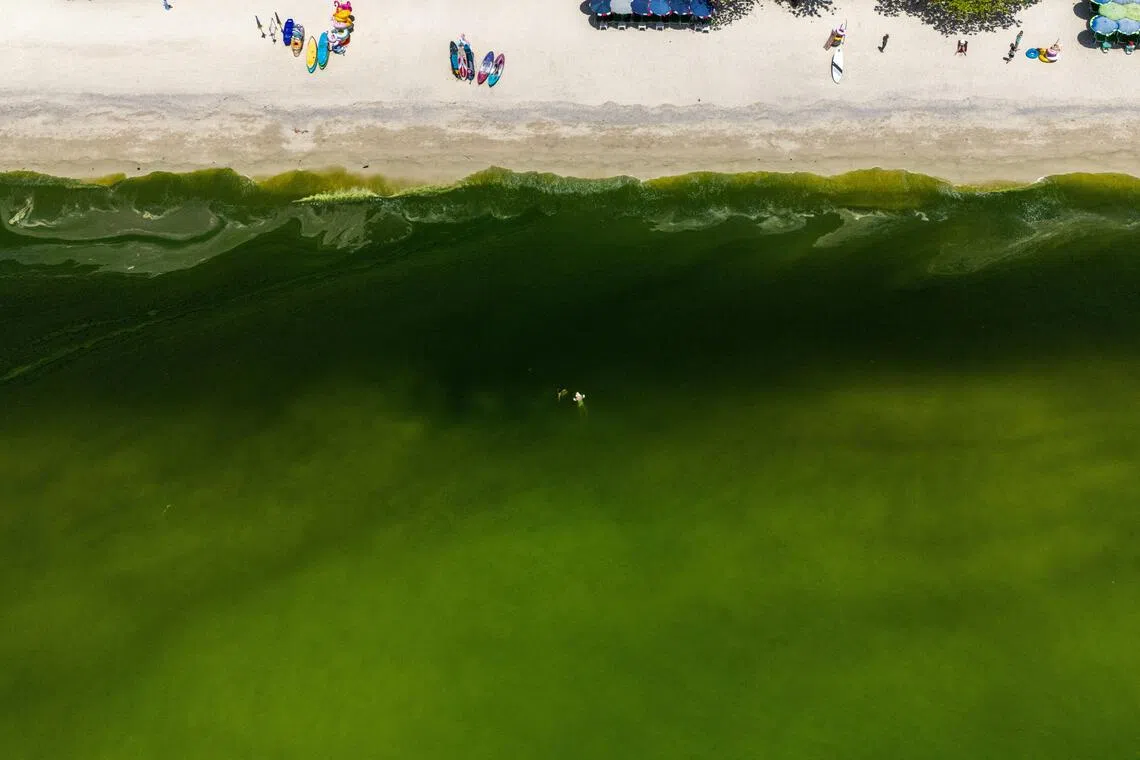
Coastal areas in Thailand popular with tourists have been affected by a recent proliferation of harmful algal blooms, transforming once-pristine waters into murky green expanses. The phenomenon has raised concerns among resort operators and local authorities about its impact on visitor numbers and economic activity in regions heavily dependent on beach tourism.
Algal blooms occur when nutrient-rich conditions and warm water temperatures trigger rapid growth of microscopic plankton. While some blooms are naturally occurring, their frequency and intensity have increased significantly in recent years, coinciding with global ocean warming. Marine biologists attribute the escalation to climate change, which raises sea surface temperatures and alters oceanographic conditions conducive to these events.
Beyond aesthetic concerns, the blooms create environmental challenges. Decomposing algae depletes oxygen levels in water, potentially creating dead zones harmful to marine life. Some species of algae also produce toxins that can affect both aquatic ecosystems and human health through shellfish consumption.
Thailand's tourism industry, a major contributor to the national economy, faces mounting pressure from such environmental disruptions. Authorities have begun monitoring affected areas more closely, though long-term solutions require broader international efforts to address climate change and ocean warming. The situation underscores the interconnected challenges facing coastal economies in Southeast Asia as environmental pressures intensify.