World · India Bureau
Haryana Youth Challenge Khap Panchayat Edicts on Relationships
Traditional village councils in Haryana have issued sweeping prohibitions on love marriages and alternative relationships, threatening social exclusion for violators. The directives have sparked significant pushback from Gen Z activists who argue that individual autonomy should supersede customary law.
LSN India ·
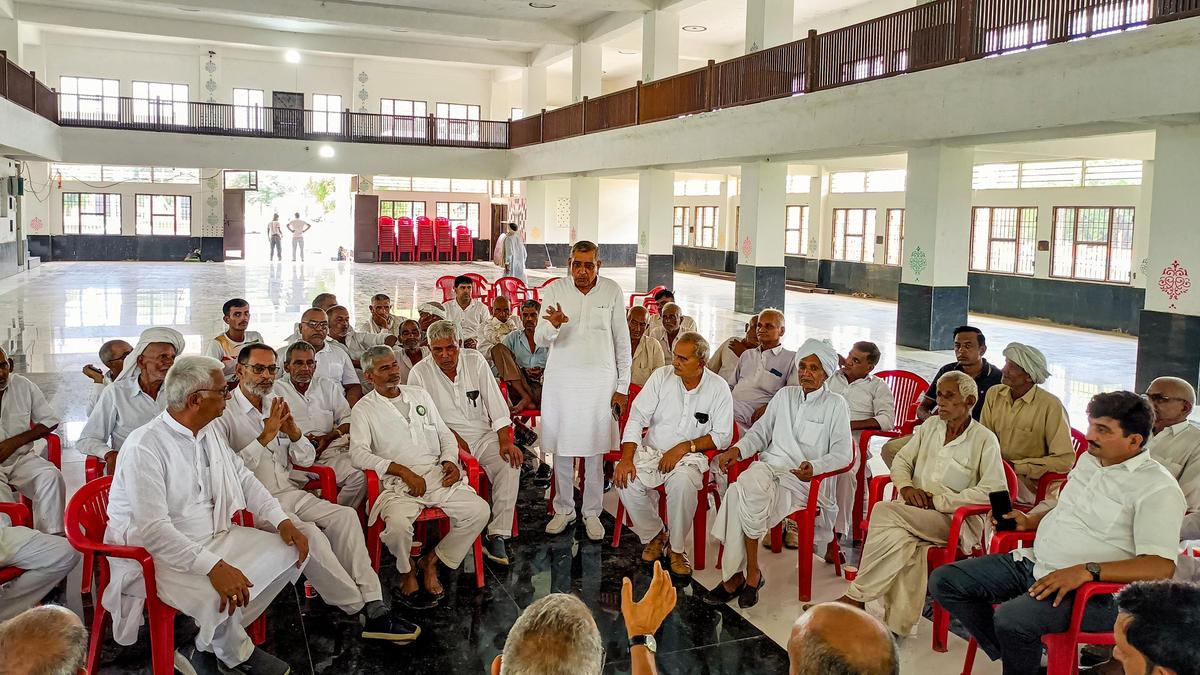
Khap panchayats across Haryana have issued sweeping directives restricting personal relationships within village clusters and clans, banning love marriages, live-in arrangements, and same-sex partnerships. Those who defy the orders face ostracism, with the councils threatening to bar violators from entering their villages and accessing community spaces and services.
The edicts have triggered strong opposition on social media from younger Indians who reject the councils' authority over personal choices. Gen Z activists argue that consenting adults should have the freedom to make their own decisions regarding marriage and relationships, regardless of community tradition or clan affiliation.
Young women and men have mobilized online to challenge what they characterize as an overreach by elderly male-dominated councils. Supporters of the youth position contend that statutory law, rather than customary councils, should govern individual rights and protections, particularly for women.
The confrontation reflects broader tensions in rural India between traditional authority structures and changing social attitudes among younger generations. While khap panchayats have historically wielded significant influence in parts of Haryana and neighboring states, growing urban migration and digital connectivity have emboldened youth to question their legitimacy and scope.
The dispute underscores ongoing debates about the relationship between customary practices and individual liberties in contemporary India, with implications extending beyond Haryana to other regions where similar councils exercise informal authority.