World · India Bureau
Hawaii's Accidental Beetle Introduction Marks Rare Ecological Success
A beetle species unintentionally introduced to Hawaii has become the only successful biological control agent established in the islands, offering insights into pest management strategies. The unexpected success challenges conventional understanding of species introduction outcomes.
LSN India ·
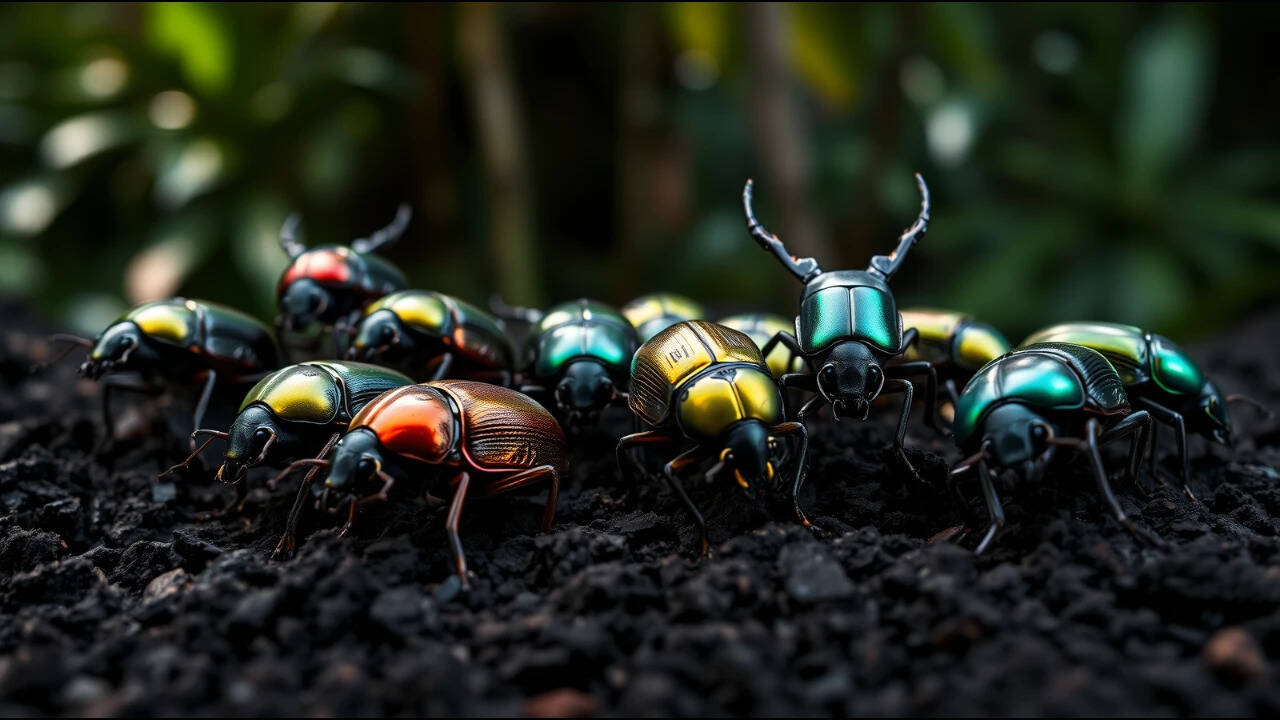
Researchers studying Hawaii's ecological history have identified an unusual case of success among the hundreds of species accidentally introduced to the Pacific islands over centuries. A beetle species, brought to Hawaii through unintended means, has established itself as the sole successful biological control organism in the archipelago's ecosystem.
Unlike most introduced species that either fail to survive or become invasive pests themselves, this particular beetle has maintained a stable population while providing genuine pest control benefits. The species' ability to thrive in Hawaii's environment and serve a functional ecological role stands in stark contrast to the majority of introduction attempts, which typically result in either extinction or ecological disruption.
The case underscores the unpredictable nature of species introductions and the complex interplay of factors determining whether an organism will successfully establish itself in a new environment. Environmental scientists note that the beetle's success cannot be easily replicated, as the conditions that enabled this particular introduction remain poorly understood.
Experts suggest that studying how this beetle achieved establishment while controlling target pest populations could inform future biological control strategies across the Pacific region. The discovery highlights how some accidental ecological events can yield unexpected benefits, though researchers emphasize that intentional introductions remain heavily regulated to prevent the ecological disasters that have plagued Hawaii's native species.