World · India Bureau
Hawaii's Feral Goat Crisis: How 50,000 Animals Nearly Destroyed Sacred Island
The Hawaiian island of Kahoʻolawe faced environmental devastation from an invasive feral goat population that swelled to 50,000 before authorities launched an ambitious eradication campaign. The successful removal effort has become a model for island ecosystem restoration across the Pacific.
LSN India ·
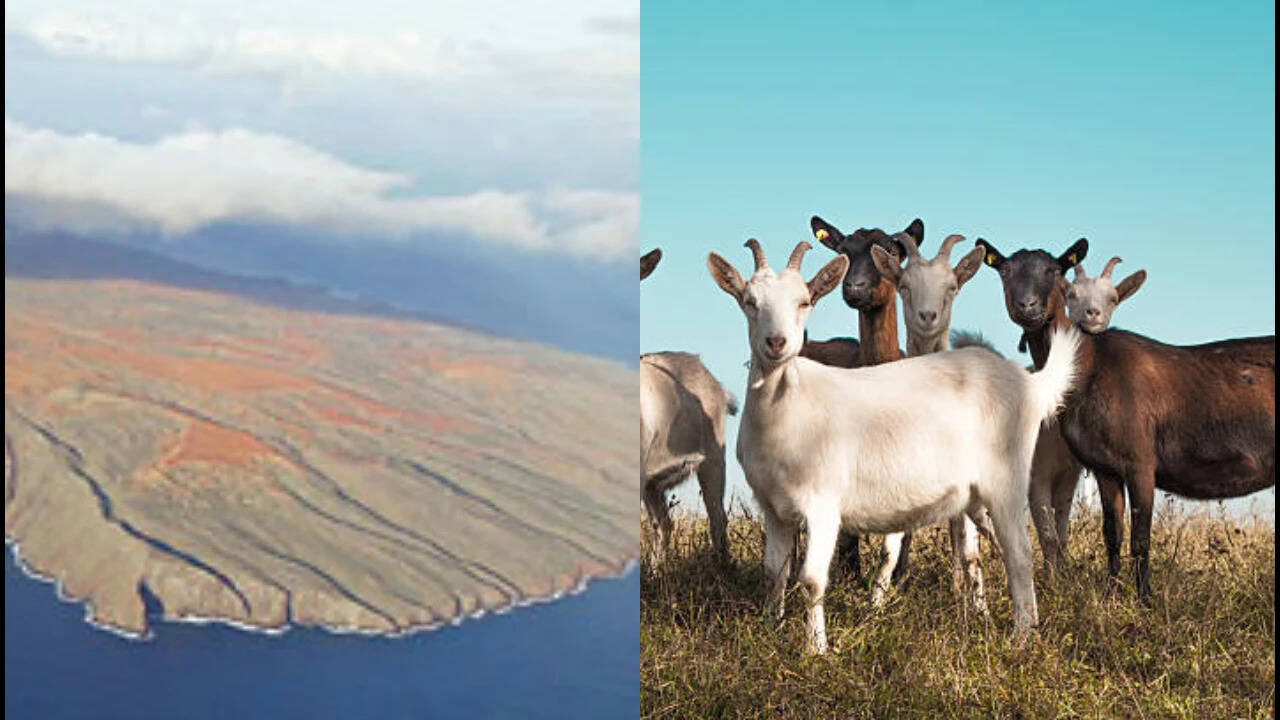
Kahoʻolawe, a small island in Hawaii's Maui County, endured decades of ecological damage as feral goats multiplied unchecked, stripping vegetation and eroding the landscape at an alarming rate. The animals, believed to have been introduced centuries ago by early settlers, transformed the arid island into barren terrain through overgrazing and soil degradation, threatening both native flora and the island's archaeological and cultural significance.
By the time conservation efforts intensified, the goat population had ballooned to approximately 50,000 animals, far exceeding what the island's fragile ecosystem could sustain. The scale of the infestation prompted a comprehensive response from Hawaiian authorities and environmental organisations committed to restoring the island's natural and cultural heritage.
The eradication campaign employed a combination of hunting operations and strategic population control measures spanning several years. Teams worked systematically to remove the invasive animals, a labour-intensive process that required sustained commitment and resources to achieve meaningful results across the island's rugged terrain.
Following the near-complete removal of feral goats, Kahoʻolawe has begun a gradual ecological recovery. Native vegetation is returning to previously denuded areas, and the island is regaining its historical landscape character. The successful restoration project has drawn international attention as a significant case study in invasive species management and island ecosystem rehabilitation, offering insights applicable to similar environmental challenges across the Pacific region.