World · Singapore Bureau
Hawker centres grapple with evolving definition of 'local' cuisine
As non-traditional dishes like steak and donburi gain popularity in Singapore's iconic hawker centres, the food community is debating what truly constitutes local hawker fare. The question touches on cultural identity and the institutions that have long defined Singapore's culinary landscape.
LSN Singapore ·
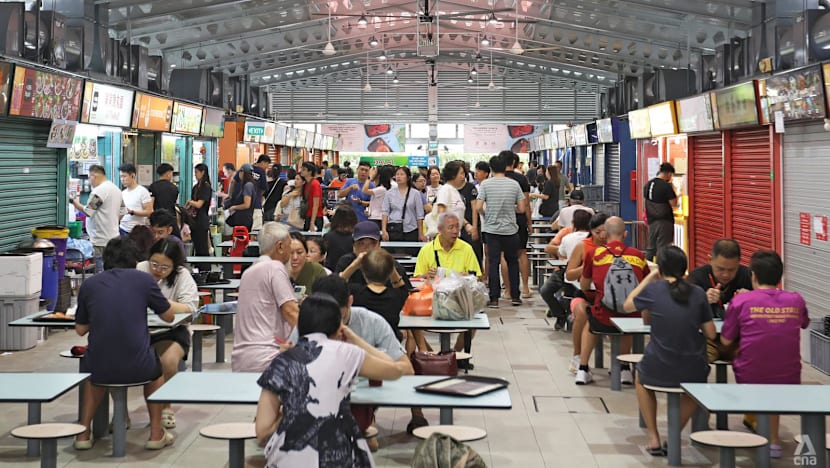
Singapore's hawker centres have long served as more than just food courts—they represent a shared cultural experience that binds generations of residents through common dining memories and affordable, accessible meals. Yet the traditional boundaries of what qualifies as hawker food are shifting, with vendors increasingly offering international fare alongside time-honoured local dishes.
The emergence of steak and Japanese donburi stalls within hawker centres has sparked broader conversations about authenticity and belonging in these iconic spaces. Food experts note that the definition of 'local food' remains contested, reflecting how culinary identity itself is fluid rather than fixed.
Historically, hawker centres have featured cuisines tied to Singapore's diverse communities—Chinese, Malay, Indian and Peranakan traditions that have deep roots in the island's social fabric. However, advocates for culinary evolution argue that modern hawker culture should reflect contemporary tastes and the increasingly cosmopolitan appetites of Singapore's population.
The debate underscores tensions between preserving hawker heritage and allowing the sector to adapt to changing consumer preferences. Rather than representing an either-or proposition, the question may ultimately hinge on how hawker centres continue to serve their fundamental purpose: providing affordable, quality meals that resonate with Singaporean diners, regardless of a dish's geographic origins.
As Singapore's food landscape continues to diversify, the hawker centre remains a bellwether of the nation's evolving relationship with food, identity, and what it means to share a meal together.