Business · Singapore Bureau
Hawkish Fed stance triggers first emerging market capital outflows since June
Emerging markets experienced net capital outflows in September as the Federal Reserve's hawkish monetary policy signals triggered investor reallocation. The outflows mark the first monthly retreat for the asset class since June.
LSN Singapore ·
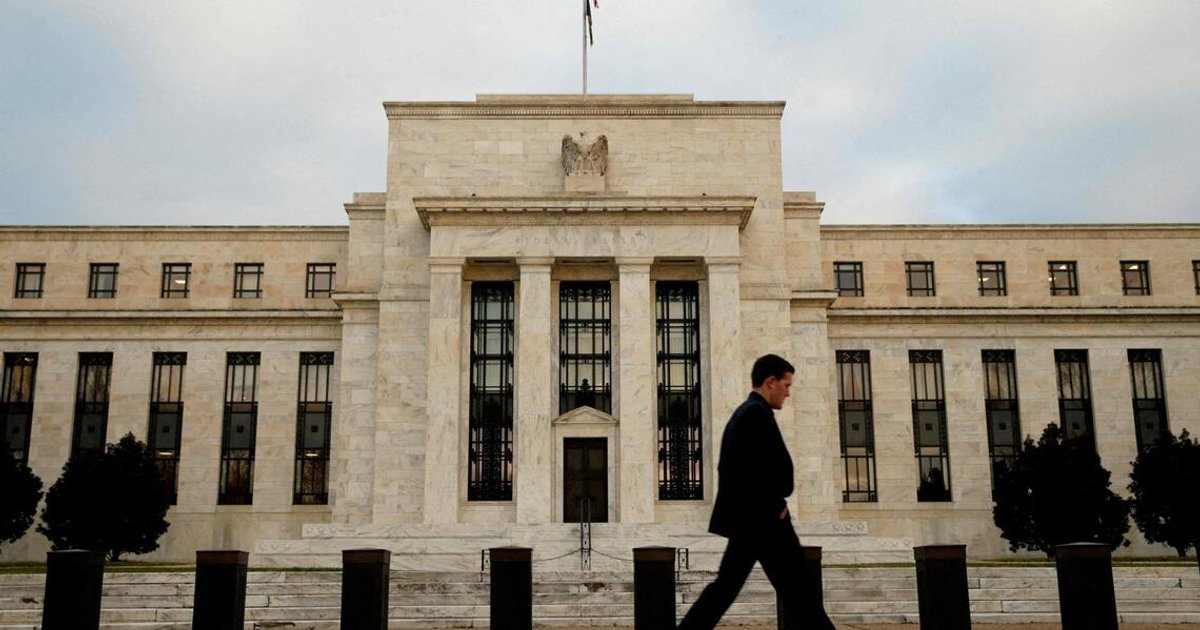
Emerging market economies faced renewed capital headwinds in September as investors shifted funds away from riskier assets in response to a more aggressive Federal Reserve policy stance. The monthly outflows represented a reversal of investment flows that had stabilised over the previous months, signalling renewed caution among fund managers reassessing their emerging market exposure.
The Fed's hardline position on interest rates and inflation control prompted a broad reassessment of currency and equity valuations across developing economies. Higher US borrowing costs make dollar-denominated investments more attractive relative to emerging market assets, typically triggering capital repatriation to advanced markets during tightening cycles.
Singapore and other regional economies with significant foreign investment exposure have monitored these flows closely, as sustained outflows can pressure currencies and equities. Emerging market policymakers have grappled with the dual challenge of managing inflation domestically while competing with increasingly attractive US yields.
Analysts noted that the September reversal follows a period of relative stability in emerging market inflows, suggesting that Fed messaging continues to exert outsized influence on capital allocation decisions. Market participants remain alert to any further hawkish signals from US monetary authorities that could sustain or accelerate outflow pressures in coming months.