World · India Bureau
Hazardous air quality above 400 poses serious health risks, doctors warn
Air quality indices exceeding 400 in Delhi-NCR are triggering acute respiratory distress among residents. Medical experts caution that prolonged exposure to such hazardous pollution levels can trigger severe complications, particularly for vulnerable populations.
LSN India ·
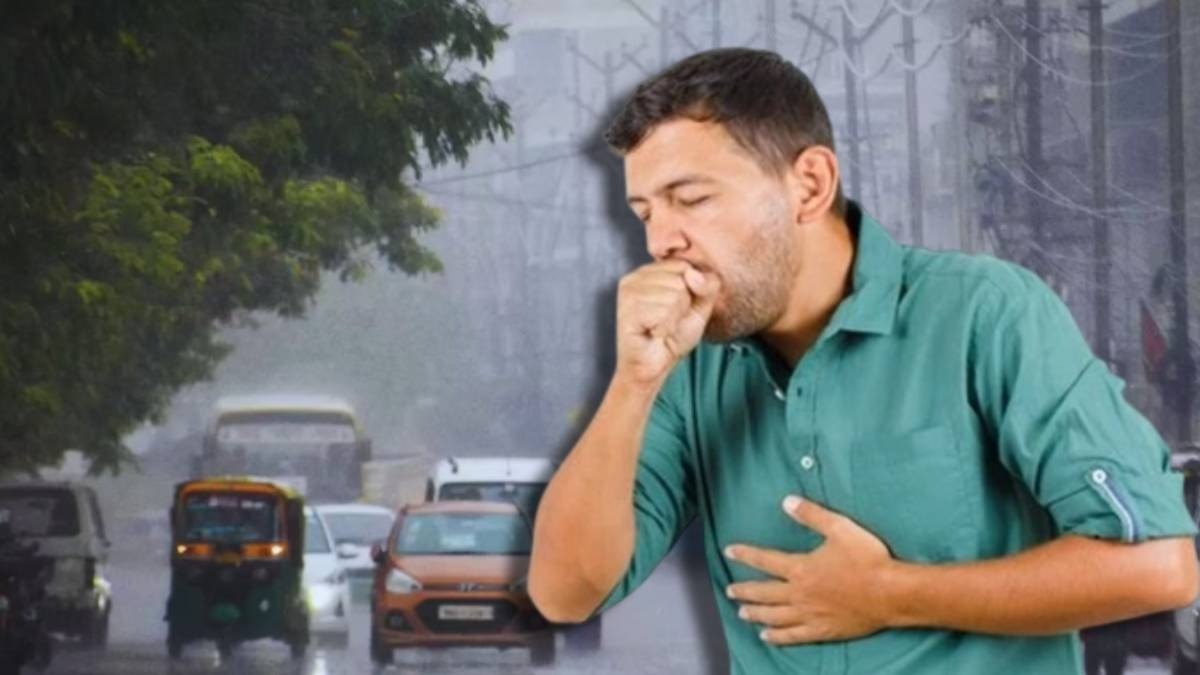
Delhi and its National Capital Region are grappling with dangerously elevated air quality levels, with the Air Quality Index surpassing the 400-mark—a threshold classified as hazardous by environmental and health authorities.
Physicians attribute the health impact primarily to fine particulate matter, specifically PM2.5, which penetrates deep into the lungs and triggers inflammation and irritation of respiratory tissues. These microscopic particles, measuring just 2.5 micrometers in diameter, bypass the body's natural defense mechanisms and lodge in the alveoli, the lung's gas-exchange units.
Patients with pre-existing respiratory conditions face heightened vulnerability during such pollution episodes. Those suffering from asthma and Chronic Obstructive Pulmonary Disease (COPD) frequently report acute exacerbations characterized by breathlessness, chest tightness, and coughing fits when exposed to such contaminated air. Medical professionals recommend that symptomatic individuals limit outdoor activities and remain indoors with air filtration systems operational.
Health authorities across the region have intensified advisories urging residents to monitor air quality forecasts, use N95-rated masks when venturing outside, and seek immediate medical attention if respiratory distress intensifies. Children, elderly citizens, and those with cardiovascular ailments require particular caution during extended periods of hazardous air quality.